
Navigating the World of Advocacy: Essential Strategies for Driving Social Change
Welcome to the front lines of progress! Advocacy is more than just a buzzword; it’s the heartbeat of social change and the engine behind every major policy shift in history. When you decide to advocate for a cause, you’re stepping into a role that requires both passion and precision to navigate effectively. Navigating the world of advocacy starts with understanding that your voice, when joined with others, has the power to dismantle systemic barriers. This journey isn’t just about shouting from the rooftops; it’s about strategic planning and deep empathy for the communities you serve. To get started, you need to identify the core issue that ignites your fire and research its historical context. Knowledge is your greatest weapon in this arena, providing the foundation for every argument you’ll make.
- Identifying the ‘Why’: Why does this cause matter now?
- Target Audience: Who has the power to make the change?
- Resource Mapping: What tools do you already have?
By grounding your efforts in a clear mission, you ensure that your energy remains focused even when the road gets tough. Remember, every major movement started with a single conversation that dared to dream of a better world. Let’s dive deep into the essential strategies that turn a simple idea into a global movement for driving social change. It’s about being persistent, being loud when necessary, and being incredibly smart about how you use your influence. Every small action you take today builds the momentum needed for tomorrow’s breakthroughs. Your commitment to the cause is the first step in a long but rewarding path toward justice. Don’t be afraid to take that first step, even if the destination seems far away. Together, we can explore how to make your advocacy efforts truly unstoppable.

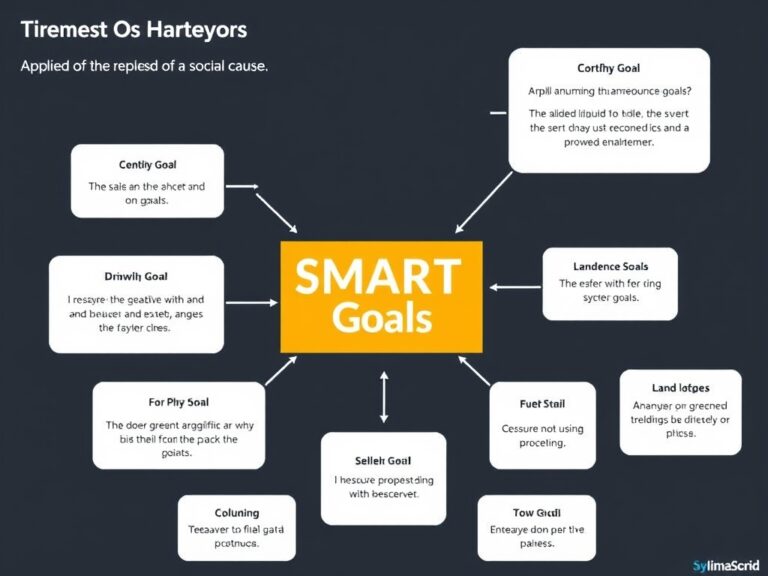
Once you’ve found your spark, it’s time to build the blueprint for your success using evidence-based advocacy. You can’t just rely on emotions; you need cold, hard facts to persuade decision-makers and the general public alike. Effective advocacy strategies are always built on a bedrock of thorough research and clear, actionable data. Start by defining what success looks like for your campaign by setting SMART goals—Specific, Measurable, Achievable, Relevant, and Time-bound. This clarity prevents ‘mission creep’ and keeps your team aligned on the most impactful outcomes. When you present your case, use a mix of quantitative data and qualitative stories to humanize the statistics.
- Data Collection: Gathering statistics that prove the problem exists.
- Impact Analysis: Explaining how your solution will create a better future.
- Policy Review: Understanding the current laws that need to change.
Think of your strategy as a living document that evolves as you gain more insights and feedback from the field. It’s also vital to identify those resistant to change so you can anticipate their counter-arguments. By being two steps ahead, you position yourself as an expert who can’t be easily dismissed. Driving social change requires a blend of heart and head, ensuring your message is both moving and irrefutable. Researching the economic and social impacts of your proposal can win over skeptical stakeholders. Never underestimate the power of a well-cited report to change a lawmaker’s mind. Your goal is to be the most informed person in the room whenever your cause is discussed. With a solid plan in place, you’re ready to take your message to the wider world.
Advocacy is never a solo sport; it’s a team relay where partnership building is the key to crossing the finish line. To truly scale your impact, you must look beyond your immediate circle and find allies who share your vision or benefit from the same change. Collective action creates a megaphone effect, making it much harder for those in power to ignore your collective demands. Building a coalition involves identifying diverse stakeholders, from grassroots activists to corporate partners and influential community leaders.
- Stakeholder Mapping: Listing everyone affected by the issue.
- Trust Building: Establishing common ground and shared values.
- Resource Sharing: Pooling funds, volunteers, and expertise.
When you work together, you bring a variety of perspectives that can help refine your strategy and reach new audiences. Community engagement ensures that the people most affected by the issue are leading the conversation, which adds authentic credibility to your cause. Don’t be afraid to reach across the aisle or partner with unconventional allies; sometimes the most effective support comes from the most unexpected places. Remember, there is safety and strength in numbers, and a unified front is a formidable force for social change. Keep your communication channels open and prioritize transparency to maintain the health and longevity of your alliances. A strong network provides the emotional and logistical support needed to weather the challenges of advocacy. Diversity within your coalition ensures that your solutions are inclusive and representative of the real world. Shared resources like volunteer time and funding can make even the most ambitious goals attainable. Every new partner brings a unique set of skills that can propel your campaign forward. Solid alliances are the foundation upon which lasting social transformations are built.

In the digital age, your ability to tell a compelling story is what will ultimately mobilize the masses and spark real policy reform. Digital storytelling is the art of taking complex social issues and making them relatable, urgent, and personal for your audience. Your messaging should always include a clear and compelling Call to Action (CTA), telling people exactly what they need to do next. Whether it’s signing a petition, attending a rally, or sharing a post, every interaction should move the needle forward. Use a variety of media formats, including short-form videos, impactful infographics, and long-form blog posts to keep your audience engaged.
- The Hero’s Journey: Casting the community as the hero overcoming obstacles.
- Emotional Resonance: Using visuals and words that evoke empathy and urgency.
- Consistency: Keeping your brand voice and message unified across platforms.
Social media advocacy allows you to bypass traditional gatekeepers and speak directly to your supporters in real-time. However, don’t just broadcast; engage in two-way conversations to build a loyal and active community. Your narrative should highlight the ‘cost of inaction’ to create a sense of urgency that demands immediate attention. By mastering the art of communication, you transform passive observers into active participants in your journey toward driving social change. It’s about making your cause impossible to ignore through the power of a well-told story. Visual content often performs better than text alone, so prioritize high-quality images and videos. Keep your message simple enough for a child to understand but deep enough for an expert to respect. Authenticity in your storytelling builds trust and fosters long-term commitment from your followers. Every share and comment is an opportunity to educate someone new about your mission. Effective communication is the bridge between a good idea and a powerful movement.

The final frontier of any advocacy campaign is often the halls of government, where legislative advocacy turns your demands into law. Navigating the legal and political landscape requires a different set of skills, including patience, negotiation, and a deep understanding of the legislative process. You need to identify key legislators who can champion your cause and provide them with the tools they need to succeed, such as briefing papers and constituent testimonials. Systemic change rarely happens overnight, so sustaining momentum over months or even years is crucial for long-term success.
- Lobbying: Meeting with officials to discuss specific legislation.
- Public Testimony: Speaking at hearings to provide expert or personal insight.
- Monitoring: Keeping track of bill progress and administrative changes.
Celebrate the small wins along the way to keep your team motivated and prevent burnout in the face of setbacks. Advocacy is a marathon, not a sprint, and your resilience is just as important as your initial strategy. Even after a law is passed, your work continues through implementation monitoring and ensuring the changes are being felt on the ground. Stay committed to the long-term vision, and never underestimate the impact of persistent, strategic advocacy. By following these essential strategies, you are not just hoping for a better world—you are actively building it. Political engagement is the most direct way to ensure your efforts result in permanent, large-scale shifts. Always be prepared to adapt your tactics as the political climate changes around you. Your persistence will eventually pay off, creating a legacy of change for future generations. Every policy won is a testament to the power of organized and dedicated individuals. Take time to reflect on your progress and refine your approach for the next challenge. Now that you have the tools, go out and be the change the world so desperately needs!