Mastering the World of Advocacy: Proven Strategies for Driving Social Change
🚀 Finding Your Purpose: The Foundation of Impactful Advocacy
Welcome to the incredible journey of Mastering the World of Advocacy, where your passion meets a systematic approach to change! To begin driving social change, you first need to identify the core issue that keeps you awake at night. Is it environmental justice, educational equity, or healthcare reform? Once you have your ‘north star,’ you must research the historical context of the problem to understand why it persists. Understanding the systemic barriers is crucial because advocacy isn’t just about surface-level fixes; it’s about deep-rooted transformation. You should start by:
- Defining your primary goal with absolute clarity.
- Mapping out the stakeholders who hold power.
- Identifying your unique value proposition in the movement.
Effective advocates are those who spend more time listening to the community than they do talking. By centering the voices of those most affected, you ensure your strategy is authentic and grounded in reality. Remember, a clear mission acts as a magnet for like-minded individuals. Never underestimate the power of a well-defined problem statement to spark a massive movement. Let’s commit to being thorough in our preparation so our actions carry weight.

📢 The Art of Storytelling: Humanizing Your Cause
Data might convince the mind, but stories move the heart, and in the realm of driving social change, heart-centered connection is everything. When you share a narrative, you bridge the gap between abstract policy and human experience. Personal storytelling allows your audience to see themselves in the struggle, making the issue feel urgent and personal rather than distant and academic. You should use vivid language to describe the challenges faced and the triumphs achieved. A powerful story follows a simple arc: the challenge, the action taken, and the hope for the future. Consider these elements for your narrative strategy:
- Authenticity: Always tell the truth and respect the privacy of those involved.
- Vulnerability: Sharing struggles makes your cause more relatable.
- Call to Action: Every story should end with a clear step for the reader to take.
By mastering these storytelling techniques, you can transform a passive observer into an active ally. Your goal is to create an emotional resonance that lingers long after the reader finishes your post. Use metaphors and analogies to simplify complex social issues into understandable concepts. It is this emotional bridge that often leads to the most significant breakthroughs in public perception. Great advocacy is essentially great storytelling with a purpose.

🤝 Strategic Partnerships: Strength in Numbers
No single person can change the world alone, which is why coalition building is a cornerstone of any successful advocacy strategy. You must look for allies who share your values, even if they approach the problem from a different angle. Building a diverse network of supporters adds credibility to your cause and expands your reach into different communities. Strategic partnerships allow you to pool resources, share the workload, and amplify your collective voice. When you approach potential partners, focus on mutual benefits and shared goals rather than just your own needs. Here is how you can strengthen your network:
- Reach out to local community leaders and organizations.
- Host collaborative workshops or town hall meetings.
- Develop a shared manifesto that all partners can sign onto.
A united front is much harder for decision-makers to ignore than a fragmented series of individual efforts. Remember that true collaboration requires humility and a willingness to compromise for the greater good. It’s about building a ‘big tent’ where everyone feels they have a stake in the outcome. By fostering these relationships, you create a sustainable infrastructure for long-term social change. Unity isn’t just a buzzword; it’s a practical necessity for legislative or cultural shifts.

💻 Digital Activism: Leveraging the Modern Toolkit
In today’s interconnected era, Mastering the World of Advocacy requires a deep understanding of digital tools and social media dynamics. Online platforms have democratized the ability to spread information, allowing grassroots movements to go global in a matter of hours. You can use tools like online petitions, viral hashtags, and educational infographics to mobilize thousands from your smartphone. However, digital advocacy must be more than just ‘slacktivism’; it needs to lead to real-world impact. Ensure your digital content is highly shareable and optimized for mobile viewing to maximize engagement. Use the following digital tactics:
- Create compelling video content that explains your ‘Why’ quickly.
- Utilize targeted social media ads to reach specific demographics.
- Build an email list to maintain direct contact with your supporters.
Social media is an incredible tool for real-time updates and keeping the momentum alive during a campaign. It also provides a platform for marginalized voices to be heard without traditional media gatekeepers. Monitor your analytics to see which types of content generate the most meaningful conversation. Always link your online actions back to your primary advocacy goals to ensure consistency. Digital activism is the bridge between awareness and tangible action in the 21st century.

🏛️ Navigating Policy and Systems: The Path to Permanent Change
To ensure your efforts lead to lasting impact, you must eventually navigate the corridors of power and advocate for policy reform. While grassroots organizing builds the pressure, policy change provides the legal and structural framework for a better society. This stage requires you to become familiar with the legislative process and the specific people who influence it. Direct lobbying and meeting with elected officials can feel intimidating, but remember that they are there to represent the public interest. You should prepare ‘one-pagers’ that clearly outline your proposed solutions and the evidence supporting them. Key steps for policy advocacy include:
- Identifying the specific legislation or policy that needs to change.
- Drafting clear, actionable policy recommendations for lawmakers.
- Organizing letter-writing campaigns or phone banks to pressure representatives.
Focus on building long-term relationships with staffers and advisors who work behind the scenes. Persistence is the most important trait here, as systemic change often takes years of consistent effort. Celebrate the small wins, like getting a bill introduced, to keep your team motivated for the long haul. Ultimately, you are aiming for a systemic shift that makes your advocacy unnecessary in the future. Change is a marathon, not a sprint, so pace yourself for the journey ahead.

⚖️ Sustaining the Movement: Metrics and Mental Health
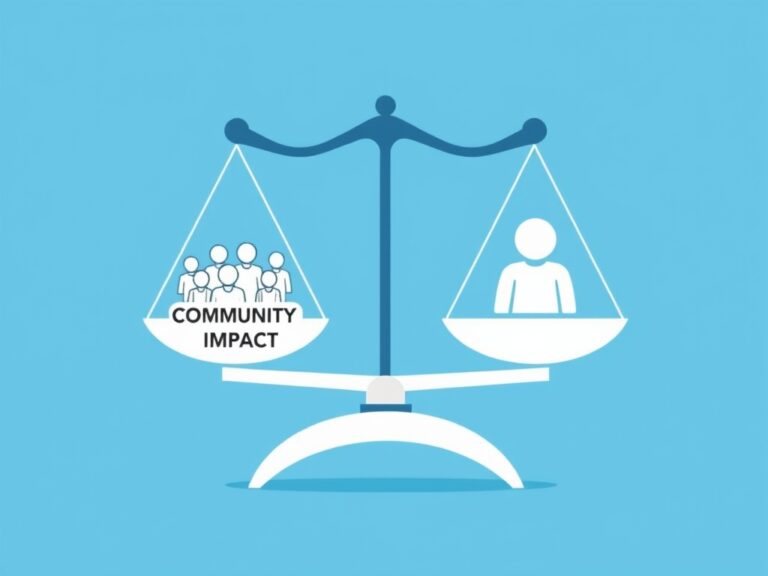
The final piece of Mastering the World of Advocacy is learning how to sustain both your movement and yourself. It is easy to burn out when you are constantly fighting against systemic injustices, so sustainable activism must prioritize well-being. You should regularly measure your progress using key performance indicators (KPIs) to see what is working and what isn’t. This data-driven approach allows you to pivot your strategies and use your limited resources more effectively. Self-care is not a luxury; it is a political act that ensures you stay in the fight for as long as needed. Consider these ways to maintain momentum:
- Set realistic milestones to celebrate incremental progress.
- Delegate tasks to avoid overwhelming a single leader.
- Establish a culture of mutual support and care within your team.
When you track your impact, you provide proof to your donors and supporters that their investment is making a difference. Reflecting on your journey helps you identify the lessons learned and prepares you for future challenges. Advocacy is as much about the internal growth of the advocates as it is about the external change in society. By balancing strategy with empathy, you create a resilient movement capable of weathering any storm. Keep your eyes on the prize and your heart open to the community you serve.