
Understanding the World of Advocacy: A Comprehensive Guide to Global Impact
Have you ever felt a deep-seated desire to change something in the world but didn’t know where to start? Welcome to the powerful realm of advocacy, a journey that transforms your voice into a catalyst for global impact. In this guide, we’re peeling back the layers of what it truly means to advocate for a cause, whether it’s climate change, human rights, or local community issues. Advocacy isn’t just for politicians or lobbyists; it’s a tool for every citizen who believes that ‘good enough’ isn’t actually enough. By understanding the core principles of advocacy, you begin to see that your individual perspective has the potential to ripple across borders and cultures. We live in an interconnected age where a single message can reach millions, yet the essence of advocacy remains rooted in authenticity and commitment. It is about more than just raising awareness; it is about driving tangible policy changes and social shifts. Think of advocacy as the bridge between identifying a problem and implementing a lasting solution. Throughout this comprehensive guide, we will explore the strategies that make advocacy effective and how you can find your unique place in this movement. Let’s dive into how you can turn your passion into a structured force for good that resonates on a global scale. Understanding the landscape is the first step toward meaningful action. You are not alone in this endeavor to make the world a better place.
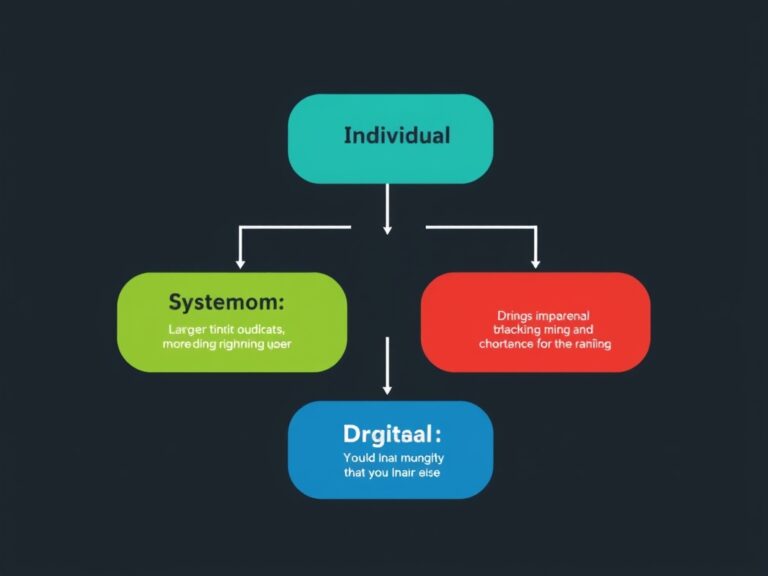
To truly master the world of advocacy, one must recognize that it comes in many different shapes and sizes, each serving a unique function in the ecosystem of change. First, we have Individual Advocacy, where the focus is on supporting a specific person to ensure their rights are respected and their needs are met. Then, there is Systemic Advocacy, which targets the root causes of issues by influencing legislation, policies, and social structures.
- Legislative Advocacy: Directly engaging with lawmakers to pass or repeal laws.
- Media Advocacy: Using the power of the press to shift public opinion.
- Digital Advocacy: Leveraging social media platforms to mobilize massive crowds instantly.
Each of these approaches requires a different set of skills, but they all share the common goal of empowering the marginalized. You might find that you are more comfortable behind a screen crafting viral campaigns, or perhaps you prefer the face-to-face intensity of community organizing. Regardless of the method, effective advocacy always starts with deep research and a clear understanding of the ‘ask.’ You cannot change a system if you don’t first understand how it’s broken and who has the power to fix it. This strategic foundation is what separates a fleeting trend from a sustained movement. By diversifying your tactics, you ensure that your message reaches the right ears at the right time. Advocacy is about persistence and playing the long game for society. This multi-faceted approach ensures that no stone is left unturned.
At the very heart of every successful advocacy campaign lies a compelling story that resonates with the human experience on a visceral level. Data and statistics are vital for credibility, but stories are what move people to action and create lasting empathy. When you share the narrative of a single individual affected by an issue, you make the abstract feel personal and the distant feel immediate. Emotional intelligence plays a massive role here, as you must navigate the delicate balance between urgency and hope. Effective advocates know how to frame their message so that it doesn’t just point out a flaw, but offers a vision of a better future. Strategic communication involves tailoring your tone to your audience, whether you’re speaking to a corporate board or a local school committee. Use clear, accessible language that avoids unnecessary jargon to ensure your message isn’t lost in translation. Remember, your goal is to make the reader feel like they are part of the solution rather than just an observer. Powerful storytelling bridges the gap between ‘them’ and ‘us,’ creating a sense of shared responsibility for global progress. By humanizing the impact of your cause, you create a powerful narrative arc that inspires people to join your mission. It’s this connection that turns a passive audience into a dedicated community of change-makers. Your voice is the most powerful tool you possess in this journey. Never underestimate the power of a well-told story to change a mind. This is how we build the momentum necessary for global transformation.

Once you have launched your advocacy efforts, the next crucial step is measuring your impact and ensuring the movement remains sustainable over the long haul. Global impact isn’t just about a one-time win; it’s about creating enduring change that benefits future generations. To do this, advocates must set clear, measurable goals and track their progress through both qualitative and quantitative data.
- Key Performance Indicators (KPIs): Tracking policy changes, fund allocation, or shifts in public sentiment.
- Community Feedback: Listening to those most affected by your advocacy to ensure your goals remain relevant.
- Coalition Building: Partnering with other organizations to amplify your reach and resources.
Sustainability also means taking care of the people within the movement to prevent burnout, which is common in high-pressure social work. We must foster environments where collaboration is valued over competition, allowing for a diverse range of voices to lead. Impact is often slow and incremental, requiring a level of patience and grit that can be difficult to maintain. Celebrating small victories along the way is essential for keeping morale high and demonstrating that progress is indeed possible. By focusing on long-term systemic health rather than just short-term fixes, your advocacy becomes a legacy. Ultimately, the success of your global impact is measured by the lives changed and the barriers removed. Growth requires both reflection and action in equal measure.

Looking ahead, the landscape of advocacy is constantly evolving, presenting both new challenges and unprecedented opportunities for global change. We are navigating an era of information overload, where standing out requires more creativity and authenticity than ever before. Resistance is an inevitable part of the process, as those who benefit from the status quo will often push back against systemic changes. However, innovation in technology and social connectivity is providing advocates with new tools to bypass traditional gatekeepers. The future of advocacy lies in its inclusivity, ensuring that the voices of the most vulnerable are at the center. Global impact now requires a cross-border perspective, as issues like climate change do not respect national boundaries. As you move forward in your advocacy journey, stay curious and be willing to adapt your strategies as the world changes. Advocacy is a lifelong commitment to learning, listening, and leading with integrity and purpose. While the road may be long and fraught with obstacles, the collective power of dedicated individuals remains the greatest force. You have the power to shape the narrative of the future, turning ‘what if’ into ‘what is.’ Embrace the challenge, find your community, and keep pushing for the world you know is possible. Your journey in advocacy is just beginning, and the world is waiting for your contribution.