
The World of Advocacy: Shaping Policy, Driving Change
The Heart of Change: Understanding the Essence of Advocacy
Have you ever wondered how major social shifts actually happen or how laws that affect our daily lives are born? Advocacy is the powerful engine behind these transformations, acting as a bridge between the concerns of ordinary citizens and the halls of government power. At its core, advocacy is about shaping policy and driving meaningful change through strategic communication and collective action. It is not just about protesting in the streets; it is a sophisticated process that involves education, representation, and persistent engagement with decision-makers. To be an effective advocate, one must understand that influence is built on trust, clear messaging, and credible data. By speaking up for those who are often unheard, advocates ensure that the democratic process remains responsive to the needs of the public. This practice requires a deep commitment to a cause and a willingness to navigate complex political landscapes. In this post, we will explore how you can master this world to create a lasting impact. Key elements of advocacy include:
- Public Education: Informing the community about vital issues.
- Legislative Lobbying: Directly communicating with lawmakers to influence bills.
- Coalition Building: Partnering with other organizations to amplify your voice.
Ultimately, advocacy is the tool that turns personal passion into public progress by ensuring that the right people hear the right message at the right time. It is a marathon that requires patience, strategy, and a heart for service.
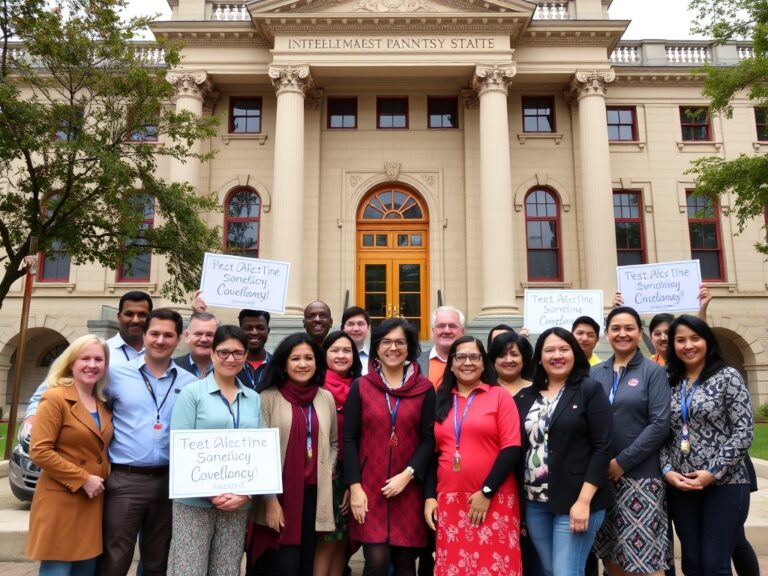
The Mechanics of Influence: How Policy is Strategically Shaped
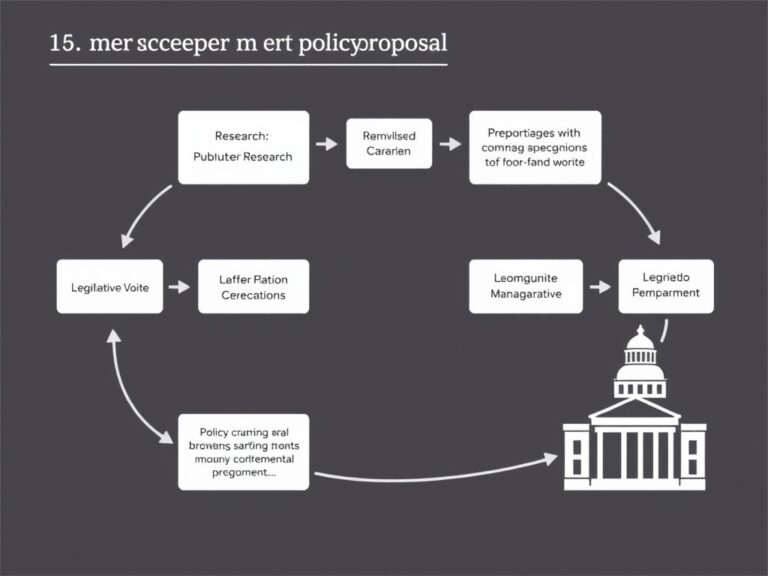
When we talk about driving change, we have to look closely at the actual mechanics of how policy is shaped within the legislative system. It begins with evidence-based research, which provides the intellectual foundation for any policy proposal or reform. Advocates must become experts in their field, often producing white papers and policy briefs that simplify complex problems for busy legislators. Shaping policy is essentially a consulting role where you provide lawmakers with the solutions they need to address societal gaps. You must identify key stakeholders, including committee chairs and influential staffers, who have the power to move a bill forward. Timing is also critical; understanding the legislative calendar allows you to strike when the iron is hot and public attention is high. Advocates use a variety of tools to make their case, such as:
- Expert Testimony: Providing specialized knowledge during public hearings.
- Policy Briefs: Concise documents that outline the problem and the proposed solution.
- Site Visits: Inviting officials to see the impact of current policies firsthand.
By framing the issue in a way that aligns with the politician’s goals, you increase the likelihood of success significantly. It is about finding the intersection between what is right and what is politically feasible at any given moment. This strategic alignment is what transforms a good idea into a signed law.
Grassroots vs. Grasstops: The Power of Perspective in Advocacy
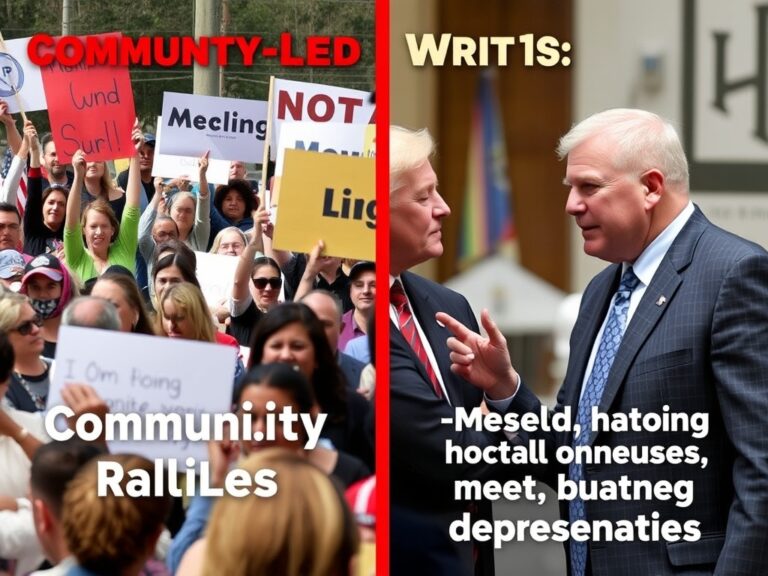
In the world of advocacy, there are two primary methods for generating pressure on decision-makers: grassroots and grasstops strategies. Grassroots advocacy is the ‘bottom-up’ approach, where a large number of citizens are mobilized to contact their representatives through letters, calls, and social media. This demonstrates wide-scale public support and reminds officials that their constituents are watching their every move closely. Conversely, grasstops advocacy is a ‘top-down’ strategy that involves engaging influential community leaders, such as business owners or former officials, to deliver the message. These individuals often have existing relationships with lawmakers, making their input feel more personal and high-stakes. A truly effective campaign uses a holistic approach, combining the mass energy of the public with the targeted influence of local leaders. This dual-pronged attack ensures that the message is heard from both the voting booth and the boardroom. To succeed, you must focus on:
- Authenticity: Ensuring that the voices sharing their stories are genuine and impacted.
- Coordination: Aligning the message across both grassroots and grasstops channels.
- Actionable Requests: Giving supporters a clear, easy task to perform for the cause.
When these two forces align, they create an undeniable momentum that is difficult for any policy-maker to ignore. It is the perfect blend of volume and value in the communication process.
Digital Tools: Driving Global Impact in the Modern Age
Modern advocacy has been completely revolutionized by the rise of digital tools and social media platforms. Today, a single viral video or a well-timed hashtag can spark a global conversation and force policy changes in a matter of days. Digital advocacy allows organizations to reach a massive audience at a fraction of the cost of traditional media campaigns. By using multimedia storytelling, advocates can humanize complex statistics and make the public feel a personal connection to the cause. Tools like online petitions and automated emailing systems have lowered the barrier to entry for citizen participation significantly. However, the challenge is to move beyond ‘clicktivism’—where people only engage superficially—and drive meaningful action. Effective digital strategies often involve data analytics to target specific demographics who are most likely to support the initiative. You can enhance your digital presence by:
- Engaging Visuals: Using infographics to explain difficult data points quickly.
- Live Streaming: Hosting Q&A sessions to build a community of informed supporters.
- Direct Tagging: Tagging official accounts of lawmakers to demand public accountability.
In the digital age, speed and transparency are your greatest assets when trying to influence the public narrative. Being able to respond to news cycles in real-time ensures that your cause remains relevant and top-of-mind for everyone. The internet has truly democratized the ability to shape policy on a global scale.

Persistence and Measurement: Navigating the Long Road to Success
Advocacy is rarely a sprint; it is almost always a marathon that requires immense persistence and resilience. Many of the most significant policy changes in history took years, or even decades, of consistent effort to achieve. You will inevitably face setbacks, opposition from powerful interest groups, and periods of legislative gridlock that test your resolve. This is why coalition building is so important, as it allows you to share resources and maintain momentum even when progress feels slow. It is also crucial to define what success looks like by measuring your impact through various metrics, not just final legislative wins. Sometimes, shifting the public conversation or getting a bipartisan group to discuss an issue is a victory in itself. To sustain your efforts over the long term, you should focus on:
- Incremental Progress: Celebrating small wins that lead toward the ultimate goal.
- Relationship Management: Keeping doors open with opponents to find common ground.
- Self-Care: Preventing burnout among staff and volunteers through sustainable practices.
Remember that every letter written and every meeting held contributes to a larger movement for justice and improvement. By staying the course and refining your strategies based on data, you will eventually see the fruits of your labor. Shaping policy is a noble pursuit that requires a unique blend of heart and head to truly drive change in our world.