
The World of Advocacy: Shaping Policy and Driving Global Change
Understanding the Power of Advocacy
Have you ever wondered how change actually happens on a global scale? At its heart, advocacy is the fuel that powers social progress, turning individual passion into collective action. It is not just about shouting from the rooftops; it is about strategic communication, influence, and the persistent desire to shift public perception. Whether you are fighting for environmental sustainability, human rights, or economic justice, advocacy serves as the bridge between current realities and a better future. When you engage in advocacy, you are essentially acting as a catalyst for systemic change, holding decision-makers accountable for their actions. It involves a mix of research, storytelling, and relationship-building that helps translate complex issues into actionable policy demands. By participating in this process, you are joining a long tradition of reformers who have reshaped the world through sheer dedication and clarity of purpose. Ultimately, understanding advocacy is about recognizing that every voice has the potential to influence policy if it is backed by a solid strategy. Let’s dive deep into how you can effectively shape policy and drive meaningful global impact.

Defining Your Strategic Advocacy Goals
To make a real impact, you cannot simply advocate for everything at once; you need a laser-focused approach to ensure your efforts yield results. Goal setting in advocacy is about identifying the specific policy or practice you want to change and understanding the levers of power behind it. Consider these key elements when mapping out your strategy:
- Identify the specific decision-makers who have the power to enact change.
- Determine the core message that resonates with both the public and policymakers.
- Research the legislative or corporate hurdles you might encounter.
- Establish clear, measurable milestones to track your progress over time.
By breaking your mission down into these actionable chunks, you move from abstract idealism to pragmatic policy shaping. It is equally important to evaluate the landscape in which you are operating, acknowledging that every political or social environment has its own unique set of constraints and opportunities. Ask yourself: Who is already doing this work? and How can my efforts complement existing initiatives? Answering these questions helps you avoid duplication and ensures your resources are utilized where they are needed most. Remember, the most successful advocates are those who treat their mission like a professional campaign, prioritizing consistency and evidence-based arguments above all else.
Building Alliances and Amplifying Your Voice
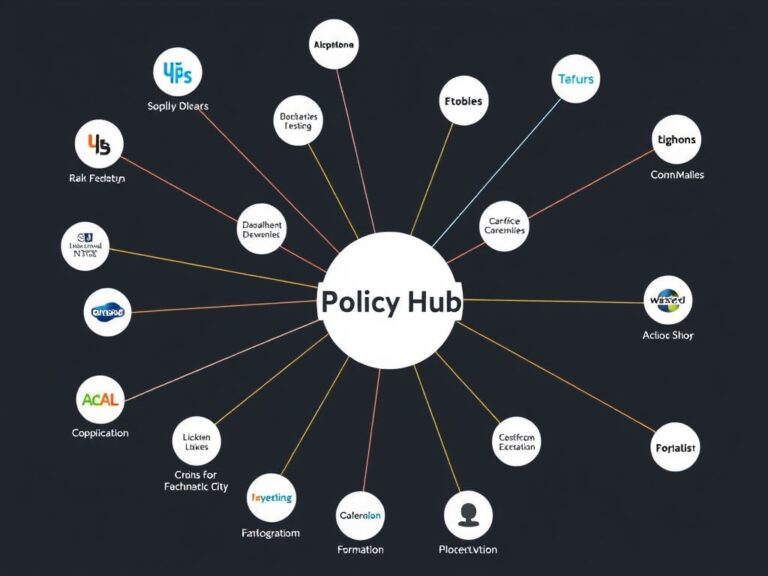
No one drives global change in isolation, which is why collaboration is the single most important tool in any advocate’s toolkit. When you build alliances with NGOs, community leaders, and even influential individuals, you drastically increase your credibility and reach. Think of advocacy as a massive network; the stronger the links, the more resistant your message is to being ignored by those in power. You should actively look for partners who bring different skills to the table—perhaps you are a great writer, but you need someone with deep technical knowledge of the legal system. By leveraging collective expertise, you create a multi-faceted campaign that addresses the issue from multiple angles, such as media outreach, direct lobbying, and public education. Online platforms have made this easier than ever, allowing you to build digital coalitions that span across continents in a matter of seconds. Use your social media channels to highlight not just your own work, but the work of your partners, thereby creating a feedback loop of support. When you amplify other voices, you become a trusted leader in your niche, which in turn makes your own advocacy more effective. Ultimately, global change is a team sport that requires empathy, coordination, and a shared vision for a better tomorrow.
Sustaining Momentum for Long-Term Impact
Finally, we must address the most challenging aspect of advocacy: maintaining momentum. It is easy to get excited at the start of a campaign, but the true test of an advocate is the ability to persist when the initial hype fades away. Policy change is rarely an overnight process; it often involves years of back-and-forth negotiations, minor setbacks, and moments of stagnation. To keep the fire burning, focus on these sustainable practices:
- Celebrate small wins regularly to keep morale high.
- Continuously refine your message based on new data and shifting political contexts.
- Prioritize your mental well-being to avoid the inevitable advocacy burnout.
- Document your journey to show supporters the tangible progress you are making.
By keeping your audience informed and engaged through consistent storytelling, you ensure that the issue remains in the public eye. Never underestimate the power of a single follow-up email, a persistent phone call to a representative, or a well-timed op-ed article. These might seem like small gestures, but they are the building blocks of institutional transformation. If you remain patient and committed to your core values, your contributions will contribute to the broader tide of change that is slowly but surely reshaping our world. You are not just advocating for today; you are crafting a legacy of progress that will influence policy for generations to come.