The World of Advocacy: Driving Global Change and Impact
🌍 The Power of Advocacy: Your Voice as a Catalyst for Change
Have you ever wondered how single ideas blossom into global movements that reshape our society? Advocacy is the intentional process of influencing those in power to make decisions that benefit the many rather than the few. It is the bridge between identifying a problem and implementing a lasting solution through strategic communication and collective action. In today’s fast-paced world, advocacy isn’t just for politicians; it’s a tool for every citizen who cares about the future. When we speak of driving global change, we are looking at a multi-faceted approach that involves policy change, public awareness, and resource allocation. This practice requires a deep understanding of the issues at hand and a commitment to persist even when progress feels slow. By mastering the art of persuasion, you can turn a quiet whisper into a roar for justice that resonates across borders. Remember, every major historical shift began with a small group of dedicated individuals who refused to accept the status quo as final. Today, your potential to impact the world is limited only by your willingness to speak out and organize effectively within your community. Your influence is the spark that can ignite a massive fire of progress for generations to come. Advocacy allows you to turn empathy into action and frustration into a functional roadmap for a better world. Let’s explore the depths of this journey together to find your unique path as a modern change-maker. We must recognize that the power to change the world lies in our collective hands and hearts. Every voice matters in the grand symphony of global advocacy and social reform. You are the catalyst the world needs right now to move forward sustainably.

📊 Understanding the Different Facets of Advocacy
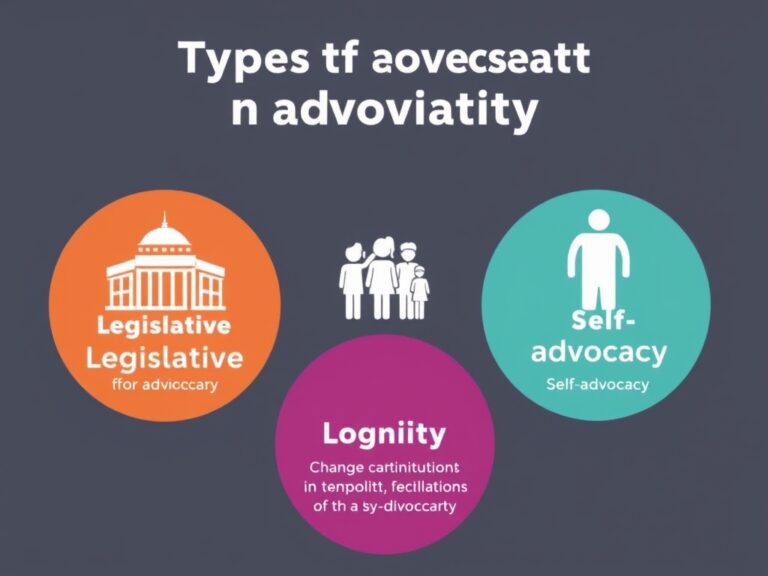
To be an effective change-maker, you must recognize that advocacy comes in many different shapes and sizes to suit various goals. Legislative advocacy is perhaps the most well-known, involving direct interaction with lawmakers to influence the drafting of new bills. However, there is also community advocacy, which focuses on grassroots organizing to improve conditions within a specific neighborhood or demographic. We also see the rise of self-advocacy, where individuals empower themselves to demand their rights in healthcare, education, or the workplace. Understanding these distinctions allows you to choose the platform that best aligns with your personal strengths and resources. To succeed, you must identify your target audience and tailor your message specifically to their values and immediate needs. Advocacy is not a one-size-fits-all endeavor; it requires a tailored strategy for every unique social or environmental challenge. Consider these key elements of a successful advocacy framework:
- Defining clear, measurable goals for your campaign early on.
- Identifying the key decision-makers who hold the power to grant your specific request.
- Building a coalition of like-minded partners to increase your overall leverage.
By diversifying your approach, you ensure that your message reaches the right ears at the most opportune time. This strategic depth is what separates a fleeting trend from a sustained movement for global impact. The goal is always to create a ripple effect that extends far beyond the initial conversation you start with a stakeholder. When you combine passion with a clear structure, you become an unstoppable force for societal improvement. Learning these different types is the first step toward becoming a versatile and effective advocate for change.
📱 Leveraging Digital Tools for Modern Global Impact
In the modern era, the landscape of advocacy has been completely transformed by the rapid and ongoing digital revolution. Social media platforms like X, Instagram, and LinkedIn have become the new town squares of the 21st century. These tools allow advocates to bypass traditional media gatekeepers and speak directly to a global audience in real-time. A single hashtag can spark a worldwide conversation, bringing visibility to issues that were previously ignored by the mainstream press. However, digital advocacy is more than just posting a status update; it involves data-driven storytelling and targeted digital outreach. You must learn to use analytics to understand which messages resonate most with your followers and adjust your strategy accordingly. The beauty of digital tools is their ability to democratize the power of influence for everyone with an internet connection. Consider these digital strategies for your next campaign:
- Using viral video content to humanize complex social issues.
- Launching online petitions to demonstrate widespread public support for a cause.
- Hosting virtual webinars to educate and mobilize supporters across international borders.
While the digital space is crowded, a well-crafted narrative can cut through the noise and inspire immediate action. It’s about creating a sense of urgency and giving your audience a clear, easy way to contribute to the cause. When technology meets passion, the potential for driving global change is virtually limitless and incredibly exciting. Modern advocates must be tech-savvy and ready to engage with their community across multiple digital touchpoints every day. Your smartphone is now a powerful megaphone that can reach the most distant corners of the globe instantly.

📈 Building a Sustainable Roadmap for Lasting Change
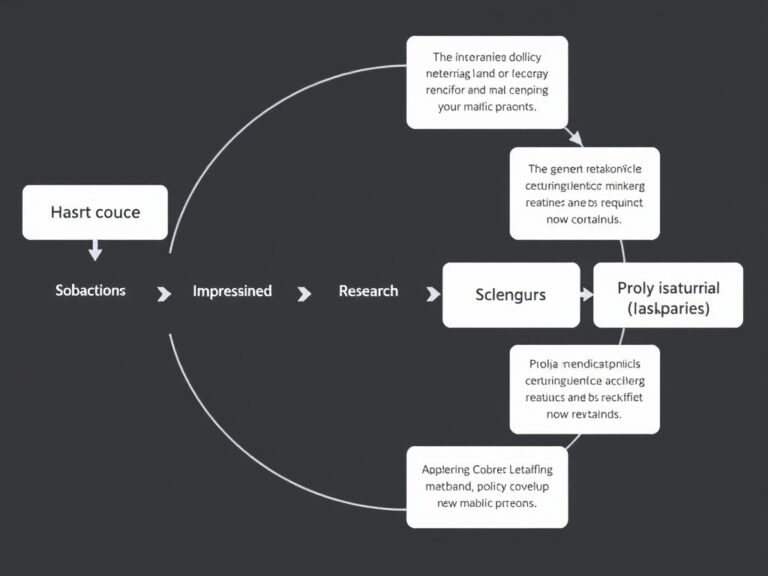
One of the biggest mistakes new advocates make is failing to plan for the long haul of their important mission. Advocacy is a marathon, not a sprint, and sustainability is the key to achieving a lasting impact on a global scale. You need a robust roadmap that outlines your milestones, potential obstacles, and the resources required to keep the momentum going. This involves regular check-ins with your team and stakeholders to ensure everyone remains aligned with the core mission. Expert-level advocacy also requires a high degree of adaptability, as the political and social climate can change overnight. You must be prepared to pivot your strategy without losing sight of your ultimate objective or core ethical values. Collaboration is another vital component, as no single person or organization can solve complex global problems alone. By fostering partnerships across different sectors, you can pool resources and expertise for a more powerful collective voice. Here is a checklist for your advocacy roadmap:
- Conducting thorough research to back your claims with hard, verifiable data.
- Developing a crisis communication plan for potential pushback from opponents.
- Establishing a timeline with short-term wins to boost morale and engagement.
True change often takes years of persistent effort and multiple iterations of a campaign to finally take hold. By focusing on building a strong foundation, you ensure that your advocacy efforts survive the initial excitement phase. Stay focused, stay resilient, and always keep your ‘why’ at the center of every decision you make. A well-structured plan turns a vague desire for change into a concrete reality that others can follow. Without a roadmap, even the most passionate movement can lose its direction and fail to achieve its goals.
🤝 Navigating Challenges and Measuring Your Success
Every advocate will eventually face resistance, whether it comes from entrenched interests, public apathy, or limited funding. Understanding how to navigate these challenges is what defines a truly skilled and effective global advocate in the field. It is essential to view opposition not as a wall, but as a puzzle that requires a tactical approach to solve. Sometimes, this means engaging in dialogue with your opponents to find common ground or alternative solutions that work. Simultaneously, you must develop a system for measuring your impact to prove the effectiveness of your efforts to donors. Metrics should go beyond simple ‘likes’ or ‘shares’ to include tangible outcomes like policy changes or shifts in behavior. Use qualitative data, such as testimonials and success stories, to complement your quantitative statistics and tell a complete story. Consider these ways to track your advocacy progress:
- Monitoring legislative votes and policy debates related to your specific cause.
- Conducting public opinion surveys to gauge shifts in awareness and sentiment.
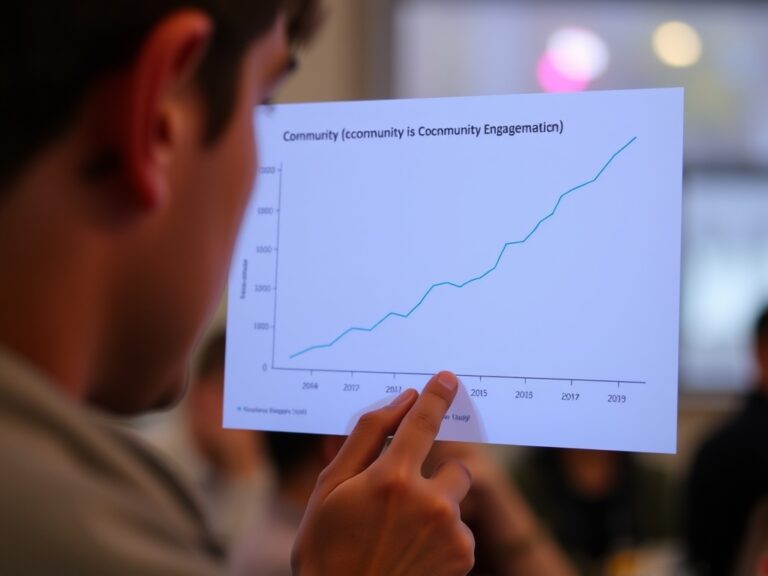
- Tracking the growth and engagement levels of your core support base over time.
By being transparent about your successes and failures, you build trust and long-term credibility within the advocacy community. This honesty encourages more people to join your cause, knowing that their contributions are making a measurable difference. Ultimately, advocacy is about the relentless pursuit of progress, one small victory at a time, for the greater good. The world is waiting for your unique contribution, so start driving change today with confidence and clarity. Remember that your journey as an advocate is a continuous learning process that evolves with every challenge you face.