

The World of Advocacy: Driving Change and Global Impact
Have you ever felt a burning desire to change the world around you but didn’t know where to start? Welcome to the powerful world of advocacy, a dynamic force that bridges the gap between passive concern and active transformation. At its core, advocacy is about using your voice to influence policy, public opinion, and societal norms to create a better future. It’s not just for professional lobbyists; it’s for anyone who believes that a single voice, when amplified, can move mountains. 📣 Think of advocacy as a toolkit for social justice, where you use communication and strategic planning to address systemic inequalities. By understanding the nuances of how change happens, you can move from being a bystander to a driver of global impact. Whether you’re passionate about climate change, human rights, or local community issues, advocacy provides the framework for meaningful action. In this post, we’ll explore how you can harness this power to leave a lasting mark on the world. It’s about more than just raising awareness; it’s about demanding accountability and fostering sustainable progress. Let’s dive into the mechanics of driving change and see how your unique perspective can contribute to a larger global movement. Together, we can unlock the potential for a more equitable and just society through the art of strategic persuasion and collective action. Every major change in history started with a conversation that sparked a movement. You have the power to be the catalyst for that next great shift in our collective journey.
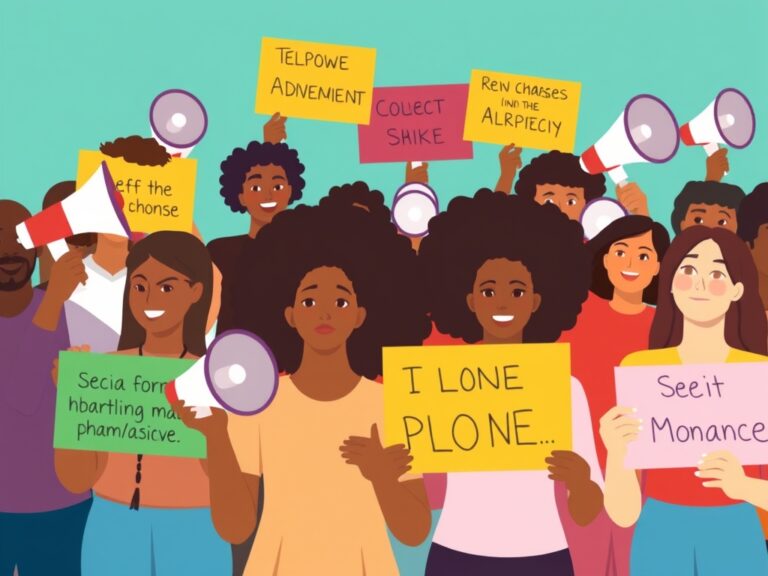
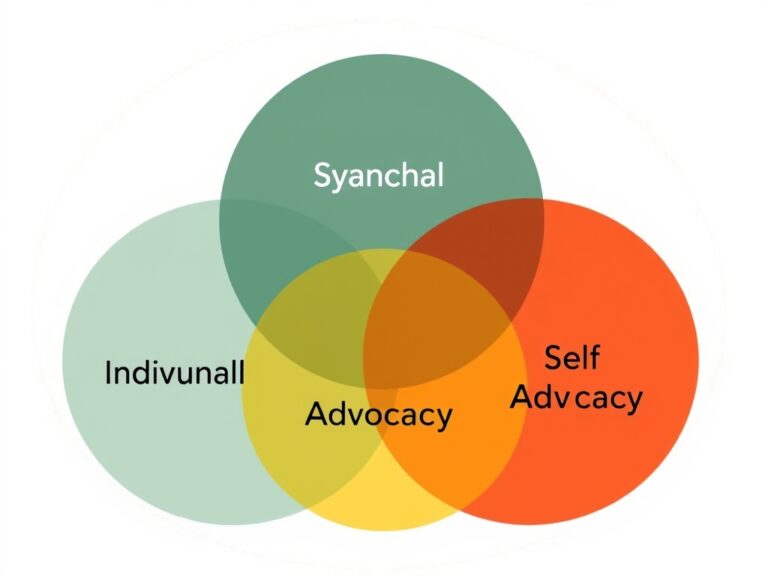
To truly master the world of advocacy, it’s essential to understand that it comes in many different shapes and sizes, each serving a unique purpose in the ecosystem of change. 🌍 Individual advocacy focuses on supporting a specific person in navigating complex systems, ensuring their rights are upheld and their voices are heard. On the other hand, systemic advocacy aims to change the very structures, laws, and policies that create those problems in the first place, aiming for long-term impact. You might also encounter self-advocacy, where individuals represent their own interests, which is a fundamental component of personal empowerment and civil rights. Each of these approaches requires a different set of skills, from empathetic listening to rigorous legal analysis and public speaking. For instance, a successful advocate must be able to navigate various challenges effectively to produce results. These skills are often categorized into specific actionable steps that help build a foundation for success.
- Identify the root cause of an issue rather than just the symptoms to create lasting solutions.
- Build diverse coalitions to increase the weight and reach of your core message.
- Communicate complex data in a way that resonates emotionally with the general public.
- Maintain persistence even when faced with bureaucratic resistance or political pushback.
By mastering these various forms, you can choose the most effective strategy for the specific challenge you are trying to tackle. This versatility is what makes advocacy such a potent tool for global impact, as it allows for both immediate help and generational change. Understanding these distinctions helps you focus your energy where it can do the most good, whether that’s in a courtroom or a community center.
In today’s hyper-connected era, the landscape of advocacy has been dramatically reshaped by the digital revolution and the rise of social media platforms. 📱 Digital advocacy allows us to bypass traditional gatekeepers and reach a global audience in a matter of seconds, making it a game-changer for grassroots movements. Visibility is the new currency, and platforms like Twitter, Instagram, and LinkedIn have become virtual town squares for mobilization and debate. However, driving change online requires more than just a viral hashtag; it demands a strategic approach to digital storytelling and community engagement. You have to craft narratives that are not only informative but also deeply relatable and shareable to break through the noise of the internet. High-impact digital advocacy involves several key practices that ensure your message reaches the right people. These tactics are designed to convert passive viewers into active participants in your cause.
- Using data visualization makes facts more digestible and impactful for the average user.
- Engaging with influencers and thought leaders can amplify your message to their followers significantly.
- Creating clear calls to action (CTAs) gives your audience a concrete way to contribute immediately.
- Monitoring digital trends ensures your content remains relevant and timely in a fast-paced environment.
When executed correctly, a digital campaign can spark real-world protests and influence legislative votes on a massive scale. It bridges geographical divides, allowing a local issue in one corner of the globe to garner international support. This interconnectedness is the engine behind many modern global impacts, proving that digital tools are indispensable for the modern advocate. By leveraging these platforms, you can build a community of supporters that transcends borders and works toward a common goal.

While passion is the fuel for advocacy, a well-defined strategy is the engine that actually drives change across the finish line. 🏎️ You can’t just shout into the void; you need a roadmap that outlines your objectives, identifies your target audience, and selects tactics. Start by setting SMART goals—Specific, Measurable, Achievable, Relevant, and Time-bound—to ensure your efforts are focused and trackable. Understanding your target audience is equally critical; you must know if you are trying to convince a politician, a CEO, or the public. Each group requires a different tone, different evidence, and a different “ask” to be moved into meaningful action. Effective advocacy also relies heavily on evidence-based research to build credibility and dismantle opposing arguments with hard facts. There are several strategic elements you must incorporate into your planning phase to ensure success.
- Power Mapping identifies who has the authority to make the change you want and who influences them.
- Coalition Building involves partnering with other organizations to share resources and broaden your overall reach.
- Message Testing allows you to refine your talking points to ensure they are persuasive and easy to remember.
- Legislative Tracking is necessary to keep a close eye on relevant bills or policies as they move through the system.
Without this level of preparation, even the most noble causes can stall out or fail to achieve their full potential. By treating advocacy as a professional discipline, you increase the likelihood of securing tangible victories that improve lives. Remember, the goal is not just to be right, but to be effective in translating your ideals into concrete reality.
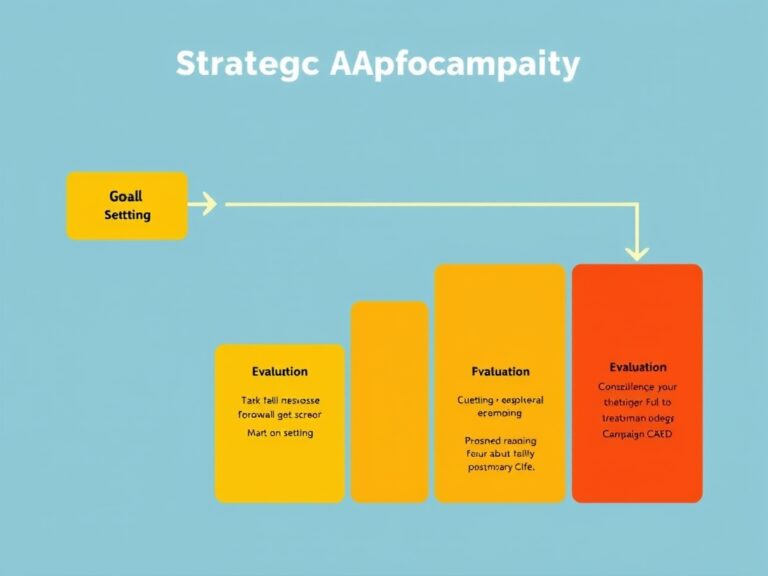
Finally, the true measure of advocacy lies in its global impact and the lasting legacy of the changes it helps to implement. 🌍 Successful advocacy isn’t just about winning a single battle; it’s about shifting the trajectory of society toward greater equity and justice. When we look at history, from the civil rights movement to the fight for environmental protections, we see the fingerprints of tireless advocates. This work requires immense resilience, as progress often moves in a “two steps forward, one step back” pattern that can be discouraging. However, the cumulative effect of these efforts is what builds a more inclusive world where the marginalized are protected. Measuring success involves both quantitative data—like laws passed—and qualitative shifts, like changes in public perception and cultural norms. To sustain this impact, advocates must also focus on capacity building, ensuring that the next generation has the tools to carry the torch. There are a few core principles that every advocate should keep in mind to ensure long-term effectiveness.
- Celebrating small wins is vital to maintain momentum and morale within your movement over the long haul.
- You should evaluate your strategies regularly to learn from failures and adapt to new challenges as they arise.
- Ensure your advocacy is intersectional, recognizing how different forms of discrimination overlap and affect people uniquely.
- Fostering a culture of transparency and ethics is also essential to maintain public trust in your cause.
The world of advocacy is vast and complex, but it is also one of the most rewarding fields for those who want to drive change. Your commitment to this path is a testament to the power of human agency and the belief that a better world is possible. Keep pushing, keep speaking, and keep advocating, because the global impact of your work is the greatest gift you can give the future.