
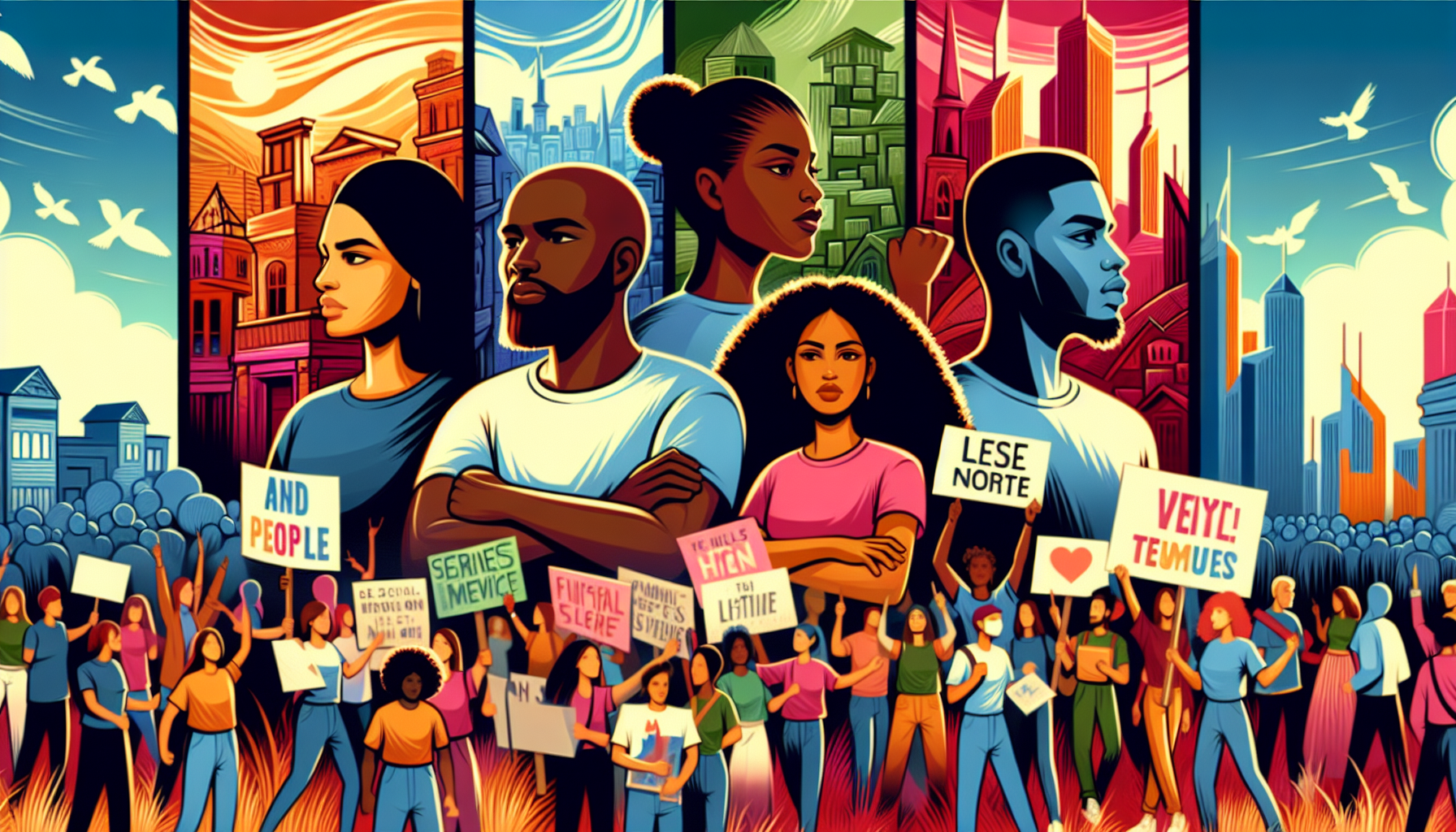
The Power of Personal Narratives in Advocacy
Personal narratives are a cornerstone of effective advocacy, transforming abstract issues into compelling, relatable stories that resonate with audiences. By sharing individual experiences, advocates humanize complex topics, fostering empathy and understanding. This emotional connection not only engages listeners but also motivates them to take action.
The Benefits of Personal Narratives
- Emotional Engagement: Personal narratives evoke empathy, making issues more accessible and memorable. Research indicates that stories can increase message retention by up to 22 times compared to facts alone. (source)
- Humanizing Complex Issues: Sharing individual experiences helps demystify abstract concepts, allowing audiences to see themselves or someone they care about in the story. This approach builds empathy and leads to greater engagement. (source)
- Influencing Public Perception: Personal stories can combat negative rhetoric and stereotypes, ensuring a diversity of voices in public debates. They can also influence public opinion and policy decisions by making issues more relatable. (source)
Crafting an Effective Advocacy Story
To harness the full potential of personal storytelling in advocacy, consider the following steps:
- Identify the Core Message: Determine the central point you wish to convey, ensuring it aligns with your advocacy goals.
- Provide Context: Set the scene by describing the who, what, where, when, why, and how, incorporating sensory details to draw the audience in. (source)
- Share Personal Experiences: Narrate your journey, highlighting challenges faced and lessons learned, to create a connection with your audience.
- Connect to the Larger Issue: Link your personal experience to broader societal or policy issues, illustrating the wider impact.
- Conclude with a Call to Action: Encourage your audience to engage, whether through support, advocacy, or further education.
Best Practices for Sharing Your Story
- Authenticity: Be genuine in your storytelling; real stories resonate more than perfectly polished speeches. (source)
- Clarity: Keep your story focused and avoid tangents to maintain the audience’s attention.
- Tailoring: Understand your audience and adapt your story to their values and experiences.
- Preparation: Practice delivering your story to ensure confidence and clarity.
By thoughtfully crafting and sharing personal narratives, advocates can effectively communicate their messages, inspire action, and drive meaningful change.