

Navigating the World of Advocacy: Strategies for Positive Change
Understanding the Essence of Advocacy
Stepping into the realm of advocacy can feel like standing at the edge of a vast ocean, but it is one of the most rewarding ways to ignite positive change in our communities. At its core, advocacy is simply the act of pleading for a cause, idea, or policy in a way that shifts the status quo toward a better future. Many people believe that you need a law degree or a massive platform to be an advocate, but the truth is that every great movement started with individual voices joining together. 🚀 To navigate this world effectively, you must first define your ‘why’—the specific issue that keeps you up at night or fills you with a sense of urgency. When your passion is aligned with your purpose, your message becomes naturally more persuasive and authentic. Remember, you don’t have to tackle the entire world at once; starting with a local issue allows you to see tangible results faster, which keeps your momentum high. Building a solid foundation requires research, empathy, and the courage to speak your truth even when your voice shakes. It is about understanding that advocacy is a marathon, not a sprint, and endurance is built through small, consistent actions taken every single day. So, let’s embark on this journey together, turning your desire for justice into a structured strategy for real-world impact.
Developing Your Strategic Advocacy Roadmap
Once you have identified your cause, the next step is creating a strategic roadmap that ensures your efforts are not just loud, but effective. 🗺️ Advocacy is most powerful when it is data-driven and targeted, meaning you need to know exactly who has the power to make the change you want to see. Start by mapping out your stakeholders:
- Policy Makers: Identify local representatives or board members who vote on your issue.
- Community Leaders: Connect with influencers who have already built trust within the group you want to reach.
- General Public: Determine how to raise awareness to build a grassroots movement.
By segmenting your approach, you can tailor your message to resonate with different audiences rather than using a ‘one-size-fits-all’ approach. Strategy is what separates a passionate person with a sign from a movement leader who changes laws and behaviors. Take time to research the history of your chosen issue, as knowing past hurdles will prevent you from reinventing the wheel. You should also set clear, measurable milestones so you can track your progress; for instance, ‘I want to gather 500 petition signatures by next month’ is much better than ‘I want to stop this policy.’ This analytical mindset ensures that every hour you spend on advocacy produces the maximum possible return for your cause.
The Art of Communication and Storytelling
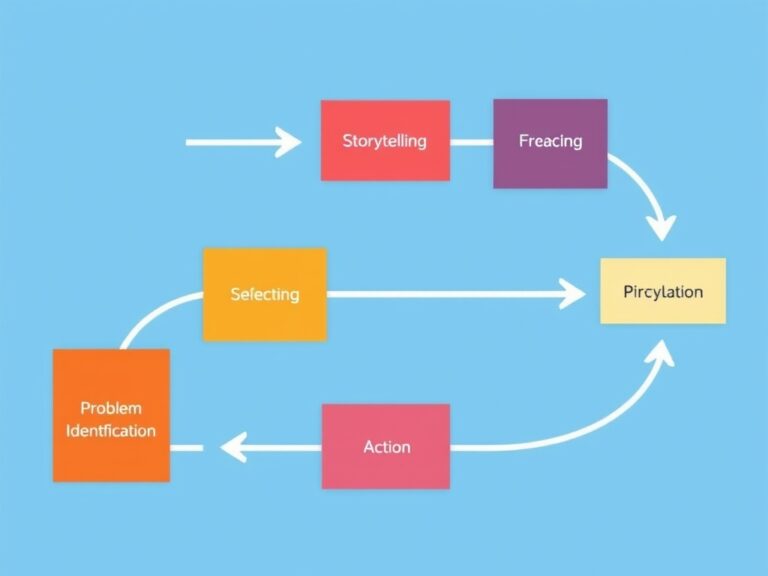
Communication is the lifeblood of advocacy, and if you want to influence others, you must master the art of compelling storytelling. People are rarely moved by cold statistics alone; they are moved by human stories that illustrate the impact of those statistics on real lives. ✨ Whether you are writing a blog post, speaking at a town hall, or drafting an email to a representative, your narrative should follow a simple structure: define the problem, explain the human cost, and offer a clear, actionable solution. Use emotive language, but keep it grounded in facts so that your credibility remains unquestioned throughout your campaign. Active listening is just as vital as talking; you must be willing to hear opposing views to understand the barriers that prevent people from joining your side. When you validate the concerns of others, you dismantle defensiveness, creating a space where productive dialogue can actually take place. Always keep your message concise, as busy decision-makers rarely read long-winded manifestos that lack a direct call to action. By refining your communication style, you transform from a casual observer into a persuasive force capable of shifting perspectives and moving the needle on critical social issues.
Maintaining Resilience for Long-Term Impact
The final, and perhaps most important, aspect of navigating the world of advocacy is maintaining your resilience and mental well-being. The path to positive change is often paved with setbacks, bureaucratic delays, and occasional public pushback, which can be exhausting if you aren’t prepared. 🛡️ To keep your energy up for the long haul, consider these self-care strategies:
- Build a Community: Surround yourself with like-minded advocates who can offer emotional support and shared wisdom.
- Celebrate Small Wins: Even if the big goal isn’t met, acknowledge every step forward to maintain a positive outlook.
- Unplug Regularly: Step away from the news and social media to recharge your spirit and perspective.
Burnout is the silent killer of many great social movements, so treating your role as an advocate with the same care as you would a high-stakes job is essential. Understand that change is iterative; it happens in waves, and your contribution is just one essential part of a much larger tide. By fostering a sustainable pace, you ensure that you can stay in the fight long enough to see the results of your hard work finally manifest. Keep your eyes on the horizon, hold onto your core values, and never underestimate the power of your singular contribution to the greater good of society.