
Navigating the World of Advocacy: Strategies for Impact
Navigating the World of Advocacy: Strategies for Impact
Have you ever felt a burning desire to change something in your community but didn’t know where to start? Navigating the world of advocacy can feel like a daunting task, but it is one of the most powerful ways to create lasting impact. Advocacy is essentially the act of supporting a cause or proposal to influence decisions within political, economic, and social institutions. It’s about giving a voice to the voiceless and ensuring that critical issues are brought to the forefront of public discourse. To be successful, you need more than just passion; you need a clear strategy and a roadmap for action. Whether you are fighting for environmental justice, better healthcare, or local school reforms, the principles of effective advocacy remain the same. 📢 Strategy is the bridge between a good idea and a tangible result. In this guide, we will explore the essential strategies for impact that will help you move from awareness to action. By understanding the landscape of influence, you can position your cause for maximum visibility and success. Let’s dive into how you can become a more effective advocate today. Your journey toward meaningful change begins with a single, strategic step. It is about transforming your values into collective action that shifts the status quo.
1. Identifying Your Cause and Setting Goals
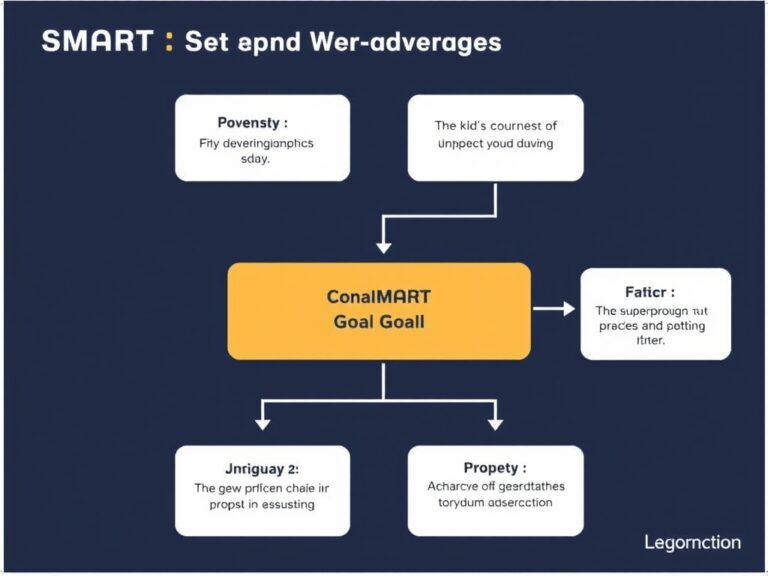
Defining your mission is the first step in any advocacy journey, as a vague goal often leads to scattered results. You must identify exactly what you want to change and who has the power to make that change happen. This process involves strategic goal setting using the SMART criteria—Specific, Measurable, Achievable, Relevant, and Time-bound. 🎯 For example, instead of saying you want to ‘save the trees,’ aim to ‘secure a city ordinance protecting local oak forests by December.’ Identifying your target audience is equally important; are you trying to influence a local council, a corporate board, or the general public? Researching your opponents is also key to preparing your counter-arguments and understanding the hurdles you might face.
- Specific: Clearly define the desired outcome.
- Measurable: Determine how you will track progress.
- Achievable: Ensure the goal is realistic given your resources.
- Relevant: Align the goal with your broader mission.
- Time-bound: Set a clear deadline for completion.
By being precise about your objectives, you can allocate your limited time and resources more effectively. Remember, advocacy is a marathon, not a sprint, and having a clear target keeps your team motivated. Clear goals act as a compass for every decision you make throughout your campaign. Without them, you risk losing momentum when challenges inevitably arise. Setting these parameters early saves countless hours of deliberation later.
2. Building a Strategic Narrative
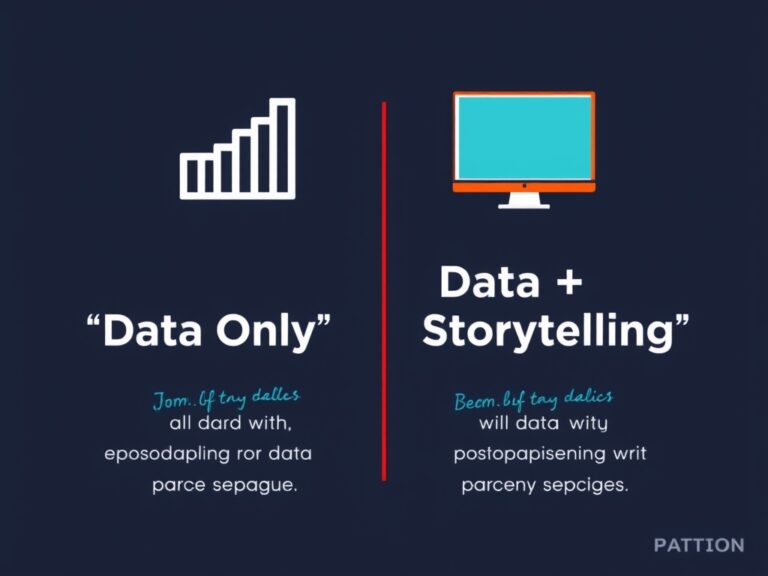
Crafting a compelling narrative is the heart of any successful advocacy campaign because facts alone rarely move people to action. You need to blend data-driven insights with powerful human stories to create an emotional connection with your audience. 📖 People remember stories long after they forget statistics, so focus on the ‘why’ behind your cause to build empathy. Start by highlighting a specific person or community affected by the issue to make the problem relatable and urgent. Then, introduce your solution as the logical and necessary path forward for the greater good. Your message should be clear, consistent, and adapted for different platforms to ensure it resonates with diverse groups. 🗣️ Words have power, but stories have the power to change minds. Use persuasive language and strong calls to action to guide your supporters on what steps to take next. Don’t be afraid to use visual aids like infographics or short videos to simplify complex concepts and make your message shareable. When your narrative is strong, it acts as a magnet, attracting more supporters and putting pressure on decision-makers. Your story is your most valuable asset when it comes to winning hearts and minds. Make sure it is authentic and speaks directly to the core values of your target audience.
3. Leveraging Digital Platforms and Mobilization
In today’s hyper-connected world, digital advocacy is an indispensable tool for reaching a global audience and mobilizing grassroots support. Social media platforms like X, LinkedIn, and Instagram allow you to share updates in real-time and engage directly with your community. 📱 Using relevant hashtags and tagging key influencers can significantly amplify your reach and bring your cause to the attention of the media. However, digital engagement should always lead to offline action, such as signing petitions, attending town halls, or contacting representatives. 📧 Email marketing remains a highly effective way to provide in-depth information and keep your most dedicated supporters informed and involved. You should also consider creating a centralized website or blog where all your resources and campaign updates are easily accessible.
- Hashtags: Use trending tags to join larger conversations.
- Call to Action: Always tell your followers exactly what to do next.
- Visuals: High-quality images and videos increase engagement rates.
- SEO: Use keywords naturally to help people find your cause online.
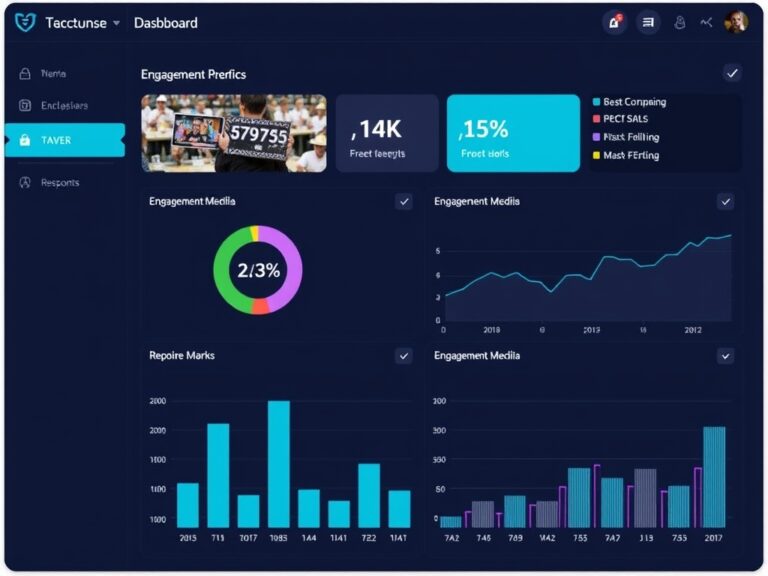
Digital tools also allow you to track engagement metrics, helping you understand what resonates most with your audience. By mastering these digital strategies, you can turn a local movement into a national or even international conversation. Consistency is key when managing digital platforms to maintain a strong presence. Engagement is a two-way street, so always make time to respond to comments and questions. Your digital footprint often serves as the first impression for potential donors and volunteers.
4. Building Alliances and Power Mapping
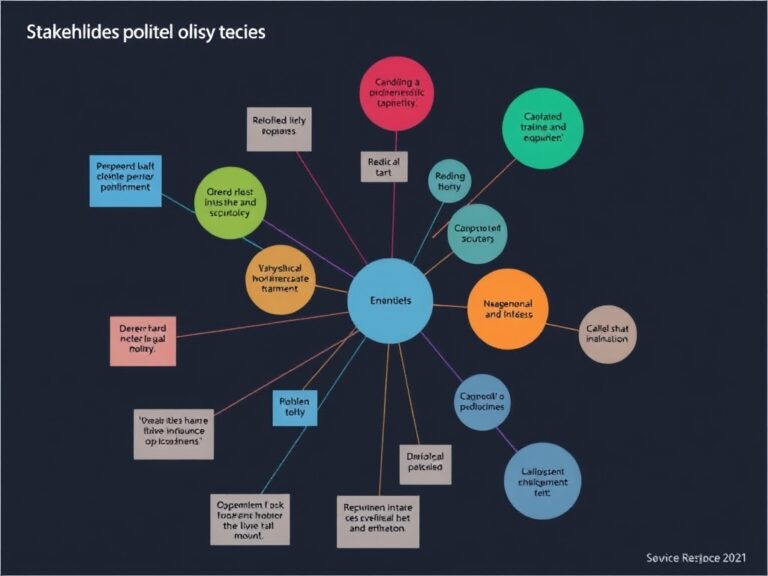
Building alliances and coalition building are essential strategies for increasing your influence and sharing the workload of advocacy. You don’t have to go it alone; in fact, working with partner organizations can lend your cause more credibility and resources. 🤝 Start by identifying ‘power players’ and potential allies who share your goals or have a vested interest in the outcome. Power mapping is a useful exercise where you chart out the relationships between different stakeholders to see who has the most influence over your target decision-maker. 🗺️ Collaborating with diverse groups can also help you reach new demographics and bring unique perspectives to your campaign strategy. It is important to maintain open communication and clear agreements within your coalition to prevent internal conflicts and ensure everyone is aligned. Strength lies in numbers, but impact lies in unity. Joint press releases, co-hosted events, and shared petitions are all ways to demonstrate a united front to the public and policymakers. By leveraging the collective power of a network, you can overcome obstacles that would be insurmountable for a single organization. Networking is not just about getting what you need; it is about building mutually beneficial relationships. Always look for ways to support your allies in their endeavors as well. A broad-based coalition is much harder for decision-makers to ignore than a single voice.
5. Measuring Impact and Sustainability
Finally, measuring impact and ensuring the sustainability of your efforts are vital for long-term success in the world of advocacy. It’s not enough to just be busy; you need to know if your actions are actually moving the needle toward your ultimate goal. 📈 Establish Key Performance Indicators (KPIs) early on, such as the number of legislative meetings held, the growth of your mailing list, or changes in public sentiment. Regularly reviewing these metrics allows you to pivot your strategy if something isn’t working as expected. Sustainability also means taking care of yourself and your team to prevent ‘activist burnout,’ which is common in high-stakes advocacy work. 🕯️ Celebrate the small wins along the way to maintain morale and recognize the hard work of your volunteers and staff. Reflective practice—taking the time to analyze what went well and what didn’t—is the key to continuous improvement.
- KPIs: Tracking measurable data points for progress.
- Feedback Loops: Listening to your community’s input.
- Self-Care: Prioritizing the mental health of the team.
- Celebration: Acknowledging milestones and achievements.
Advocacy is an ongoing process of learning, adapting, and persisting until change is achieved. By following these strategies, you can navigate the complexities of advocacy and create a lasting, positive impact on the world. Remember that every great movement started with a few dedicated individuals who refused to give up. Your commitment to the cause is the ultimate fuel for the journey ahead.