
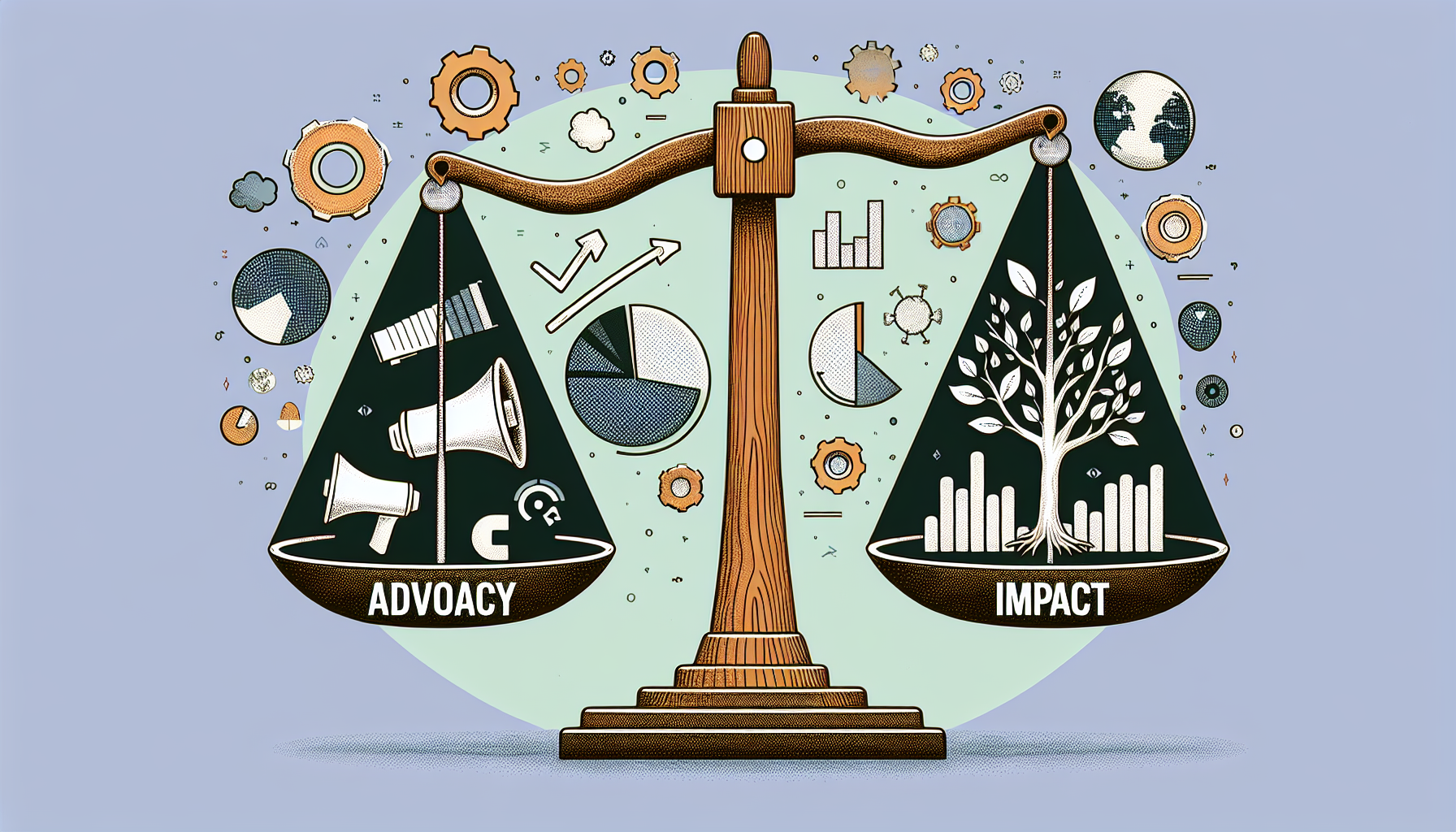
Measuring the Impact of Advocacy Campaigns
Measuring the impact of advocacy campaigns is essential for understanding their effectiveness and guiding future strategies. Key metrics to consider include:
1. Awareness Metrics:
- Reach and Impressions: Assess the extent of your campaign’s visibility through media coverage, social media reach, and event attendance. High reach indicates successful messaging and outreach strategies. (kpidepot.com)
2. Engagement Metrics:
- Volunteer Participation: Track the number of volunteers recruited, hours contributed, and tasks completed. For example, a campaign to ban single-use plastics might count how many volunteers attend rallies or collect signatures. (volunteerconnection.net)
- Social Media Engagement: Monitor likes, shares, comments, and hashtag usage to gauge public interaction with your campaign.
- Event Attendance: Measure the number of attendees at rallies, webinars, or community meetings to assess community interest.
3. Impact Metrics:
- Policy Changes: Evaluate the number of policy changes, amendments, or introductions that align with your advocacy goals. (civiconnect.org)
- Media Coverage: Analyze the extent and tone of media coverage to understand public perception and the campaign’s reach.
- Stakeholder Engagement: Assess the number and quality of partnerships formed, and the level of engagement with policymakers.
4. Outcome Metrics:
- Legislative Support: Track the number of legislators supporting your cause and the progression of supportive bills through legislative processes. (civiconnect.org)
- Community Participation: Measure the level of community involvement and the success of community-driven initiatives.
5. Sentiment Analysis:
- Public Opinion: Utilize surveys, polls, and social media listening tools to gauge public sentiment and the effectiveness of your messaging. (forbes.com)
By systematically tracking these metrics, you can gain a comprehensive understanding of your advocacy campaign’s effectiveness and make informed decisions for future initiatives.