

Exploring the World of Advocacy: Your Guide to Social Change and Impact
Welcome to the vibrant world of advocacy, where your voice becomes a catalyst for real social change and meaningful community impact. Advocacy isn’t just about shouting from the rooftops; it’s the strategic process of influencing decisions within political, economic, and social systems. Whether you are passionate about environmental protection, education, or healthcare, understanding the mechanics of advocacy is your first step toward becoming a powerful changemaker. It requires a blend of passion, patience, and expert-level insights to navigate the complexities of power structures. Many people feel overwhelmed at first, wondering if one person can truly make a difference in such a large world. However, history shows us that every major movement began with a single conversation and a few dedicated individuals. By speaking up for those who cannot, or by empowering communities to speak for themselves, you are building a bridge to a more equitable future. This guide is designed to help you understand the nuances of this journey, ensuring your efforts are both effective and sustainable. We will explore how to identify core issues and transform them into actionable goals that resonate with stakeholders. Remember, advocacy is a marathon, not a sprint, and every small victory contributes to a larger wave of progress. Let’s dive deep into how you can harness your unique perspective to drive the impact you wish to see in the world. Your journey toward advocacy excellence starts today, and we are here to walk you through every critical step of the process.
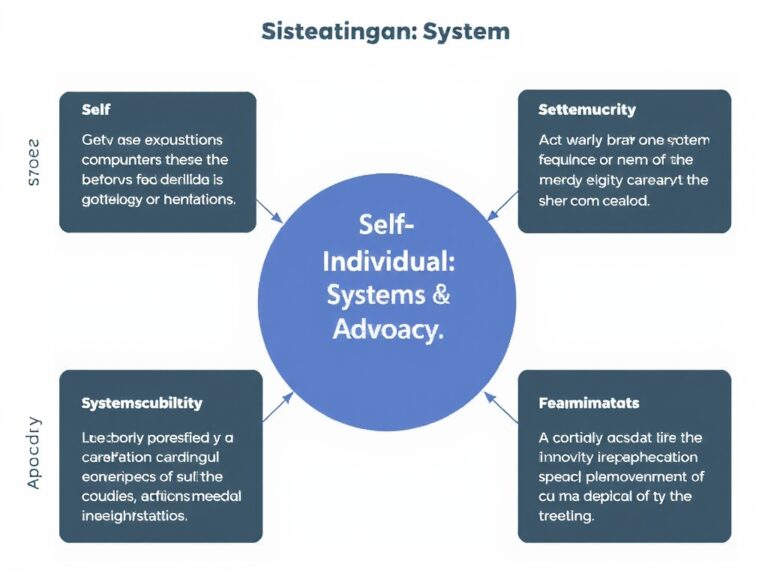
To truly excel in this field, one must recognize that advocacy comes in various forms, each serving a unique purpose in the ecosystem of social justice. First, there is Self-Advocacy, where individuals speak up for their own rights and needs, which is foundational for personal empowerment. Then, we have Individual Advocacy, where a person or group focuses on the rights of another specific person, often helping them navigate complex bureaucratic hurdles. However, the most far-reaching form is Systems Advocacy, which aims to change policies, laws, or rules that affect large groups of people. These strategies often involve specialized approaches:
- Policy Reform: Changing the actual legislation at a local or national level.
- Awareness Campaigns: Shifting public perception and cultural norms through education.
- Legal Advocacy: Using the court system to challenge unjust practices.
By understanding these distinctions, you can better decide where your energy is most needed and where you can achieve the greatest leverage. Each type requires different tools, from storytelling to data analysis, and mastering them allows you to be a versatile advocate for change. Systemic change often takes the longest to achieve, but it results in the most permanent shifts in how society functions. Whether you’re working at the grassroots level or influencing global policy, your approach should always be rooted in empathy and evidence. It is also important to consider the intersectionality of various issues, as most problems do not exist in a vacuum. By broadening your scope, you can collaborate with other sectors to create more comprehensive solutions for the community. Identifying the right form of advocacy for your specific goal is the key to maximizing your effectiveness and influence.
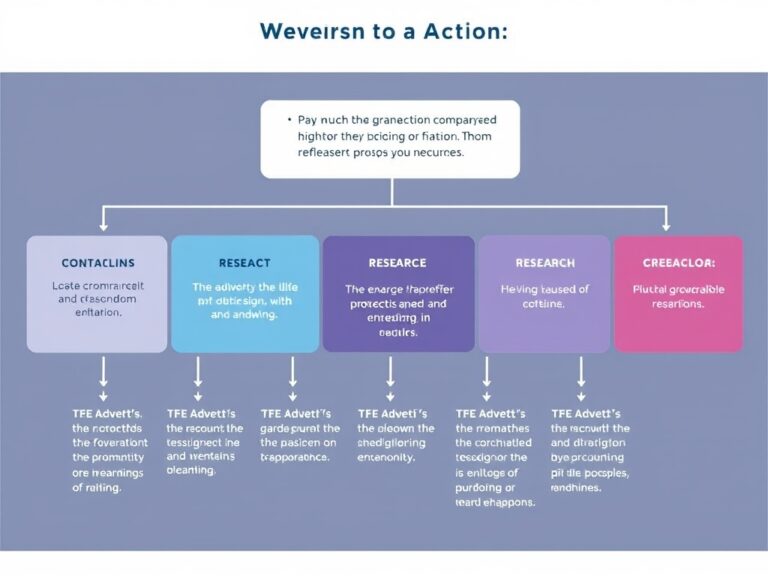
Once you’ve identified your focus, the next step is building a robust advocacy strategy that serves as your roadmap for action. Start by clearly defining the problem you want to solve, ensuring it is specific, measurable, and achievable within a realistic timeframe. You must identify your target audience—these are the decision-makers who have the power to grant what you are asking for, such as legislators or corporate executives. Key Message Development is equally vital; your message should be simple, compelling, and backed by undeniable facts. Effective strategizing often includes several core components that keep your campaign on the right track:
- Research the landscape to understand opposing views.
- Build a coalition of like-minded organizations to amplify your voice.
- Develop a clear ‘ask’ so that decision-makers know exactly what action to take.
Effective communication is the heart of any campaign, requiring you to tailor your language to fit the values of your audience. If you are speaking to a local council, focus on community benefits; if you are speaking to a business, focus on sustainability and reputation. Don’t forget to gather case studies and personal stories, as these often move people more effectively than dry statistics alone. A well-planned strategy minimizes wasted effort and ensures that every tweet, meeting, and protest moves you closer to your ultimate goal. You should also anticipate potential setbacks and have a contingency plan ready to keep the momentum going. Constant evaluation of your tactics allows you to pivot when something isn’t working as expected. Successful advocates are those who are as organized as they are passionate about their specific cause.
In our modern era, digital advocacy has become a game-changer, allowing activists to reach global audiences with the click of a button. Social media platforms like X, Instagram, and LinkedIn are no longer just for personal sharing; they are powerful tools for online activism and mobilization. By using targeted hashtags and engaging visuals, you can raise awareness about obscure issues and put pressure on powerful entities in real-time. Digital strategies offer unique benefits that were previously unavailable to local organizers:
- Virality: Creating content that people want to share increases your reach exponentially.
- Online Petitions: Tools like Change.org help quantify public support for your cause.
- Live Streaming: Real-time updates from events or protests provide transparency and urgency.
However, digital tools should complement, not replace, traditional ‘on-the-ground’ organizing techniques. The goal is to move people from ‘slacktivism’—simply liking a post—to ‘activism,’ where they take tangible steps like donating or attending a meeting. Consistency is key in the digital space; you need to maintain a steady flow of information to keep your audience engaged and informed. Use data analytics to see which messages resonate most and pivot your strategy based on what the numbers tell you. When used correctly, technology levels the playing field, giving a platform to voices that have historically been marginalized. You can connect with experts and influencers across the globe to build a truly international movement. Always ensure that your digital presence reflects the core values and mission of your advocacy work. Technology is a tool, and like any tool, its impact depends entirely on the skill and intention of the person using it.

Finally, the mark of a truly successful advocate is the ability to create sustainable movements that thrive long after the initial excitement has faded. This requires a deep commitment to building leadership within your community and ensuring that the movement isn’t dependent on just one or two individuals. Measuring impact is crucial here; you must track your progress using both qualitative and quantitative metrics to prove that your efforts are working. Consider tracking these key performance indicators to assess your movement’s health:
- Monitor legislative changes or policy updates.
- Track shifts in public opinion through surveys or media coverage.
- Evaluate the growth and diversity of your volunteer base.
Sustainability also involves prioritizing self-care and community care to prevent burnout, which is a common challenge in the world of high-stakes advocacy. Remember that change often happens incrementally, and celebrating small wins is essential for maintaining morale and momentum. By fostering a culture of inclusivity and continuous learning, your organization can adapt to new challenges as they arise. Reflect on your successes and failures with equal curiosity, using each experience as a stepping stone for the next phase of your journey. Networking with other advocates can provide fresh perspectives and much-needed emotional support during difficult times. Long-term impact requires a balance between urgent action and thoughtful, long-term planning for the future. Ultimately, advocacy is about leaving the world better than you found it, one strategic step at a time, and your dedication is the fuel that makes that progress possible. We hope this guide has inspired you to take your first—or next—step in the incredible journey toward social change.