
The Power of Advocacy: How to Make a Meaningful Impact in the Modern World
Ever feel like the world’s problems are too big to tackle? You’re not alone! But what if I told you that advocacy, in its simplest form, is about harnessing your voice and passion to create real change? In today’s interconnected world, advocacy isn’t just for activists; it’s a powerful tool available to everyone. It’s about understanding issues that matter to you and taking steps, big or small, to influence positive outcomes. Think about the everyday choices you make – from supporting ethical brands to engaging in community discussions. These are all forms of advocacy! We’ll delve into how you can effectively navigate the modern landscape to make your voice heard and your actions count. Get ready to discover your inner advocate and learn how to make a meaningful impact in ways you might not have imagined. This journey is about empowerment and collective action, reminding us that even a single voice can spark a powerful movement. Let’s explore the essence of advocacy and its incredible potential to shape our future for the better. Understanding this concept is the first step towards becoming a catalyst for positive transformation in your community and beyond. It’s about more than just speaking up; it’s about thoughtful, strategic engagement that drives progress and fosters a more just and equitable society for all.
So, what exactly does ‘advocacy’ mean in the 21st century? Gone are the days when it solely involved shouting from the rooftops or marching in the streets, though those methods certainly still have their place! Today, advocacy is a multifaceted approach that leverages diverse platforms and strategies. It’s about identifying a cause you deeply care about – whether it’s environmental protection, social justice, education reform, or animal welfare – and committing to promoting its importance. This can involve educating yourself and others, raising awareness through compelling storytelling, or actively engaging with policymakers and decision-makers. You might be surprised to learn how many avenues exist for you to contribute! Consider the power of online petitions, social media campaigns, or even simply having informed conversations with friends and family. Effective advocacy often involves research, strategic communication, and building coalitions. It’s about understanding the root causes of issues and working towards sustainable solutions. The key is to find what resonates with you and to channel your energy effectively, making your efforts impactful and consistent. Remember, consistent effort is often more powerful than a single, grand gesture. Embrace the variety of methods available to you and find your unique way to contribute to the causes you champion, ensuring your voice adds to the chorus of change.
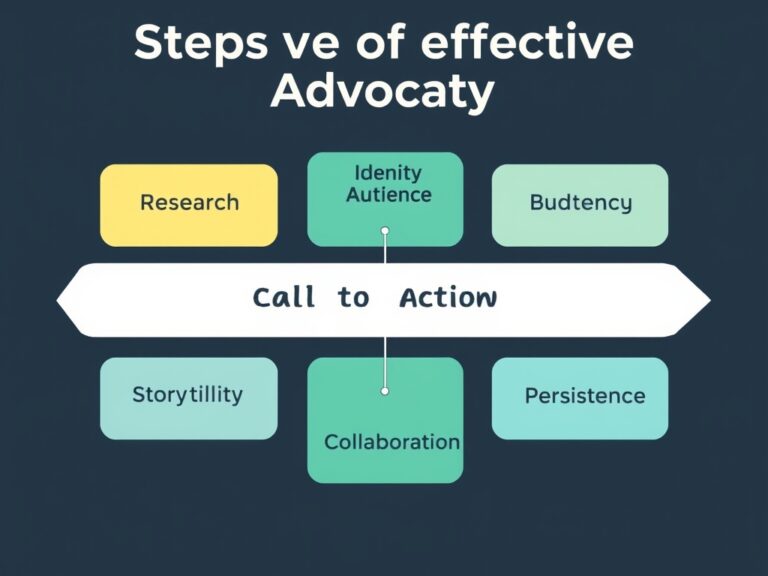
Ready to dive into making a tangible difference? The first crucial step in effective advocacy is thorough research. You need to understand the issue inside and out – its history, its current status, and the various perspectives surrounding it. This allows you to speak with authority and credibility. Next, identify your target audience. Who do you need to reach to influence change? Is it the general public, elected officials, community leaders, or a specific organization? Tailor your message and approach accordingly. Then, develop a clear and concise call to action. What specific steps do you want people to take? Make it easy for them to participate, whether it’s signing a petition, contacting a representative, donating to a cause, or volunteering their time. Building a strong narrative is also vital; stories connect with people on an emotional level and make issues more relatable. Don’t underestimate the power of collaboration either; joining forces with like-minded individuals or organizations can amplify your impact significantly. Finally, persistence is key. Change rarely happens overnight, so be prepared for a sustained effort. Remember to celebrate small victories along the way to maintain motivation and momentum. These strategic steps will help ensure your advocacy efforts are not just passionate but also highly effective in driving the change you wish to see in the world around you.
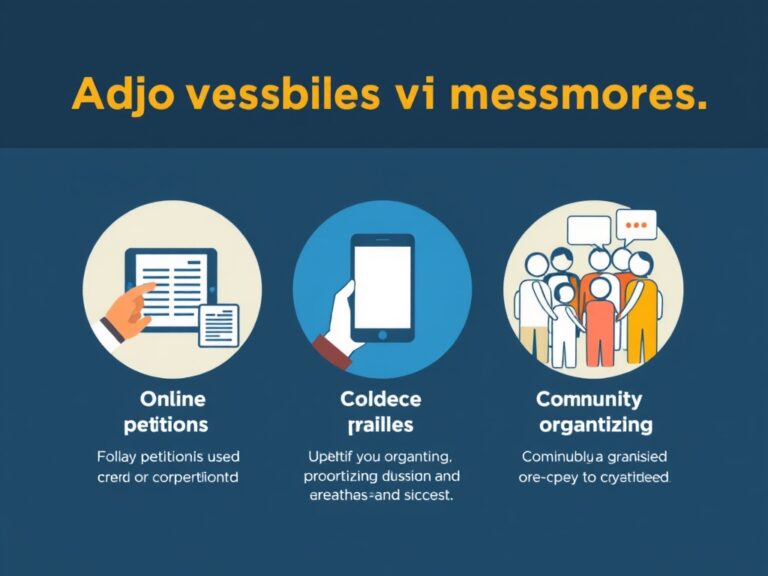
The digital age has revolutionized advocacy, opening up unprecedented opportunities for individuals to connect and mobilize. Social media platforms, in particular, have become powerful tools for raising awareness and organizing movements. You can share information, start discussions, and reach a global audience with just a few clicks. Websites and blogs offer a space to delve deeper into issues, share personal stories, and provide resources for others to get involved. Online petitions allow for rapid collection of signatures, demonstrating widespread support for a cause to those in power. Email campaigns and direct messaging can be used to contact officials and corporations, urging them to take specific actions. Even participating in online forums and comment sections can help shape public discourse. However, it’s crucial to use these tools responsibly and ethically. Fact-checking information before sharing is paramount to combatting misinformation. Engaging in respectful dialogue, even with those who hold opposing views, can be more productive than aggressive confrontation. Remember, the goal is to persuade and inform, not alienate. By leveraging these digital tools strategically, you can significantly amplify your voice and contribute to meaningful change on a scale previously unimaginable. It’s about harnessing the collective power of the internet for good, fostering informed dialogue, and inspiring action across borders and communities, making the world a smaller, more connected place for positive impact.

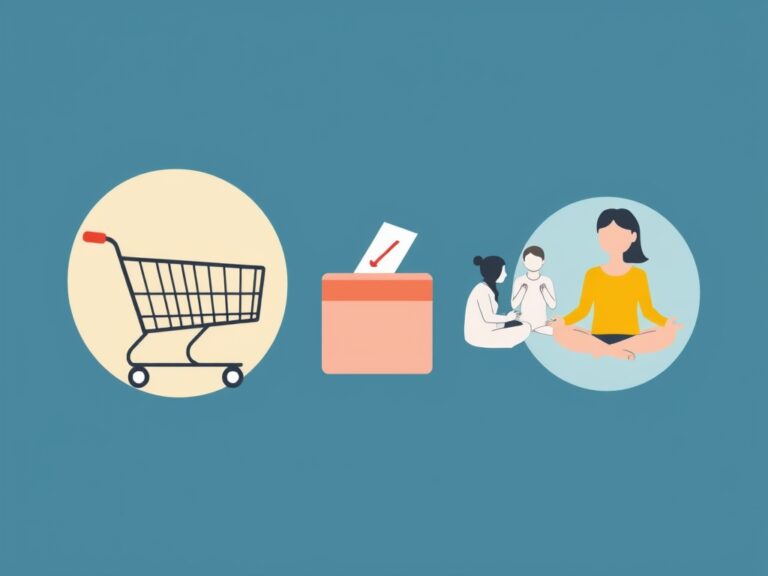
Making a meaningful impact through advocacy isn’t just about grand gestures; it’s often about consistent, dedicated effort in our daily lives. One of the most accessible forms of advocacy is conscious consumerism. By choosing to support businesses that align with your values – whether they prioritize sustainability, ethical labor practices, or community engagement – you send a powerful message with your purchasing power. Another impactful area is civic engagement. This extends beyond just voting; it includes attending town hall meetings, contacting your local representatives about issues that matter, and participating in community initiatives. Even small acts of kindness and support within your community contribute to a broader culture of positive change. Sharing knowledge and engaging in respectful conversations are also vital forms of advocacy. Educating yourself and then thoughtfully discussing issues with friends, family, and colleagues can shift perspectives and inspire others to learn more and get involved. Finally, remember the importance of self-care. Advocacy can be emotionally taxing, so prioritizing your well-being ensures you can sustain your efforts long-term. By integrating these practices into your routine, you become a powerful advocate not just for specific causes, but for a better world overall, demonstrating that everyday actions hold immense power to shape society.