

Navigating the World of Advocacy: Your Guide to Effective Change
Welcome to the dynamic world of advocacy! Whether you’re passionate about a local cause or aiming for broader societal change, understanding how to effectively advocate is your superpower. This guide is crafted to empower you, transforming your desire for change into tangible action. We’ll explore the foundational elements of advocacy, ensuring you’re equipped with the knowledge to make a real difference. Think of advocacy not just as speaking up, but as strategically building bridges and creating platforms for voices that need to be heard. It’s about understanding the landscape, identifying key players, and crafting compelling messages. Effective advocacy is a blend of passion, persistence, and a well-thought-out strategy. This journey begins with understanding your ‘why’ and translating that into a clear, actionable ‘how’.

The first crucial step in effective advocacy is defining your goals with precision. What specific change are you trying to achieve? Vague objectives lead to scattered efforts. Instead, aim for SMART goals: Specific, Measurable, Achievable, Relevant, and Time-bound. For instance, instead of ‘improve local parks,’ a SMART goal might be ‘Increase the number of recycling bins in Central Park by 20% within six months.’ Research is your best friend here; understand the current situation, the stakeholders involved, and the existing policies. Identifying your target audience is equally important – who has the power to enact the change you seek? Tailoring your message to resonate with different groups, whether they are policymakers, the general public, or potential allies, is key to successful communication. Don’t underestimate the power of storytelling to connect emotionally and intellectually with your audience. Building a strong case requires data, personal testimonies, and a clear understanding of the problem’s scope and impact.
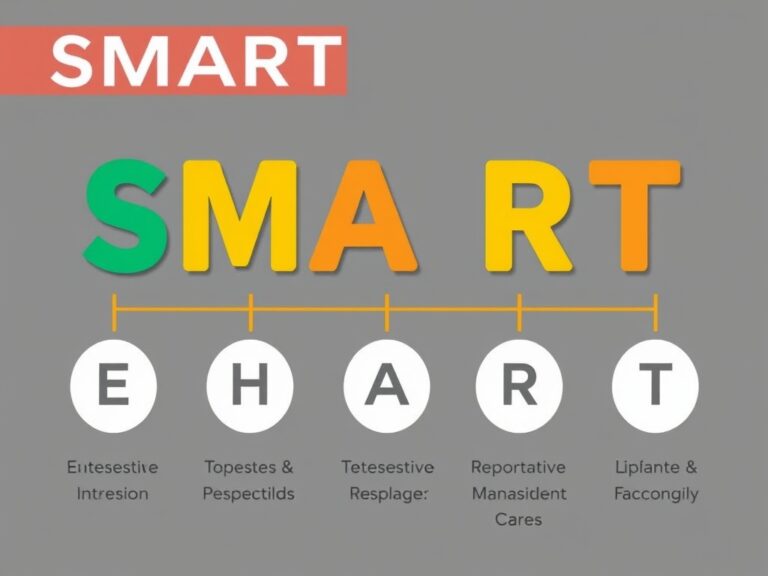
Once your goals are clear, it’s time to build your strategy. This involves identifying the most effective tactics to reach your objectives. Consider a multi-pronged approach:
- Educate and Inform: Raise awareness through social media campaigns, informative blog posts, workshops, and public forums.
- Mobilize Support: Organize petitions, rallies, and community events to demonstrate public backing.
- Engage Decision-Makers: Schedule meetings with elected officials, submit public comments, and participate in town halls.
- Build Coalitions: Partner with like-minded organizations and individuals to amplify your voice and share resources.
Remember, consistency is vital. Keep the momentum going by regularly communicating your progress and the ongoing need for action. Embrace different communication channels to reach a wider audience; what works for one group might not work for another. Think creatively about how to make your advocacy efforts visible and impactful in everyday life. Your strategy should be adaptable, ready to pivot if circumstances change or new opportunities arise. It’s a marathon, not a sprint, so pace yourself and your supporters accordingly.
Communication is at the heart of advocacy. Your ability to articulate your message clearly, concisely, and persuasively can make or break your campaign. Develop a compelling narrative that highlights the human element of your cause. Use a variety of communication tools:
- Craft powerful talking points for interviews and public speaking.
- Write effective press releases to gain media attention.
- Utilize social media with engaging visuals and shareable content.
- Develop clear calls to action that tell people exactly what you want them to do.
Always be mindful of your audience and tailor your language and tone accordingly. Active listening is also a crucial communication skill in advocacy; understanding the concerns and perspectives of others can help you build stronger relationships and find common ground. Authenticity and passion are infectious, so let your genuine commitment shine through in all your communications. Don’t be afraid to iterate on your messaging based on feedback and results; continuous improvement is key.

Finally, sustain your efforts and celebrate victories, big or small. Advocacy is often a long-term commitment, and maintaining motivation for yourself and your supporters is essential. Regularly assess your progress against your goals and adjust your strategy as needed. Celebrate milestones to acknowledge the hard work and keep spirits high. Building a strong community around your cause provides a vital support network and ensures that the work continues. Stay informed about relevant developments and be prepared to respond to new challenges or opportunities. Remember that every action, no matter how small it may seem, contributes to the larger goal of creating positive change. Your dedication and persistence are powerful forces that can indeed shape a better future for all. Keep advocating, keep inspiring, and keep making a difference!