
The World of Advocacy: Your Guide to Impact and Change
Understanding the Power of Advocacy
Have you ever felt a deep sense of injustice and wondered how to turn that passion into real, measurable impact? Advocacy is not just for professional lobbyists in suits; it is a powerful tool available to everyone who wants to see the world change for the better. At its core, advocacy is the act of pleading for, supporting, or recommending a cause or policy to influence decisions within political, economic, and social systems. When you engage in this work, you are essentially amplifying the voices of those who are often unheard or ignored by mainstream channels. It is about understanding that your voice holds weight, especially when it is combined with the voices of others who share your vision. By starting small, you can cultivate a sense of agency that empowers you to tackle larger systemic issues. Whether you are advocating for local community improvements or global environmental policies, the principles remain remarkably similar. Remember, every major social movement in history began with a handful of people who dared to speak up when it mattered most. Knowledge is your first step; without it, your passion might lack the strategic direction needed for long-term success. So, are you ready to step into this world and make your mark? Let us embark on this journey together as we break down the complexities of driving meaningful change.

Identifying Your Cause and Strategy
Finding your niche in the world of advocacy starts with introspection and a clear understanding of what keeps you up at night. You might care deeply about animal welfare, education reform, or perhaps sustainable infrastructure, but without a strategic focus, your energy can easily become scattered. To be effective, you need to define your goals clearly and understand the landscape in which you are operating. Start by asking yourself: Who makes the decisions, and what kind of pressure would convince them to change their minds? Advocacy is not merely about complaining; it is about building a roadmap toward a specific outcome that benefits your community or the planet. Consider creating a list of stakeholders who share your values and can act as potential allies in your mission.
- Define your primary objective clearly.
- Research current policies that impact your cause.
- Identify key decision-makers who hold the power to change things.
- Build a narrative that tells a compelling, human story.
By breaking your mission down into manageable steps, you transform an overwhelming mountain into a series of climbable hills. Never underestimate the power of a well-researched argument backed by personal experience or data-driven insights. When you are prepared, you are much more likely to be taken seriously by those in power. Strategy is the bridge that turns raw emotion into effective action, ensuring your voice is heard loud and clear.
The Art of Communication and Mobilization
Effective advocacy is fundamentally a communication challenge; you are essentially a storyteller who is trying to change the narrative of the status quo. Engagement is the key to mobilization, whether you are using social media platforms or organizing town hall meetings to spread your message. You must communicate in a way that resonates with your audience, making your issue feel urgent, personal, and solvable. Digital advocacy has revolutionized the field, allowing individuals to reach thousands of people with a single, well-crafted post. Use infographics, short videos, and storytelling threads to break down complex legislation or social issues into bite-sized, digestible content for your followers. Remember that people are more likely to support a cause if they can see how it directly affects their lives or the lives of their loved ones. Do not be afraid to use emotional intelligence to bridge gaps between different ideological groups when building your movement. The goal is to build a coalition that is diverse, inclusive, and committed to a shared vision for the future. Always provide clear, actionable steps for your supporters, such as signing a petition, calling a local representative, or attending a protest event. Without these tangible actions, even the most passionate supporters will eventually drift toward other causes that offer them a clear way to help. Keep the dialogue open and listen as much as you speak to ensure your movement evolves with the needs of the community.
Sustaining Your Impact for the Long Term
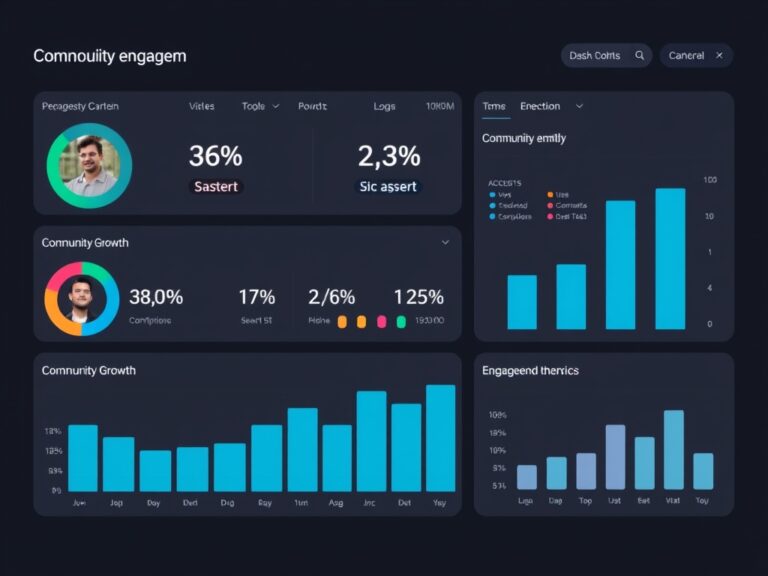
The journey of advocacy is a marathon, not a sprint, and it requires significant resilience to avoid burnout and stay focused on your long-term vision. It is easy to get discouraged when progress feels slow, or when you face opposition from those who benefit from the status quo. To sustain your impact, you must prioritize self-care and maintain a network of supportive individuals who understand the challenges you face daily. Change often happens in small, incremental steps, and celebrating those small victories is essential for maintaining momentum within your group. Keep records of your successes, learn from your setbacks, and be prepared to pivot your strategy as the political or social climate changes around you. Advocacy is about persistence, especially during times when the public eye might be focused elsewhere. Always stay informed about new developments in your field and continuously educate yourself on best practices to keep your approach fresh and effective. Teach others what you have learned to build a pipeline of future advocates who can carry the torch forward when you need a break. By institutionalizing your efforts, you ensure that the change you are fighting for becomes a permanent part of the social fabric. Remember, the world is shaped by those who refuse to stay silent, and your ongoing commitment is what turns temporary noise into lasting, positive transformation. Keep going, stay brave, and never lose sight of the incredible difference you are making with every single action you take today.