
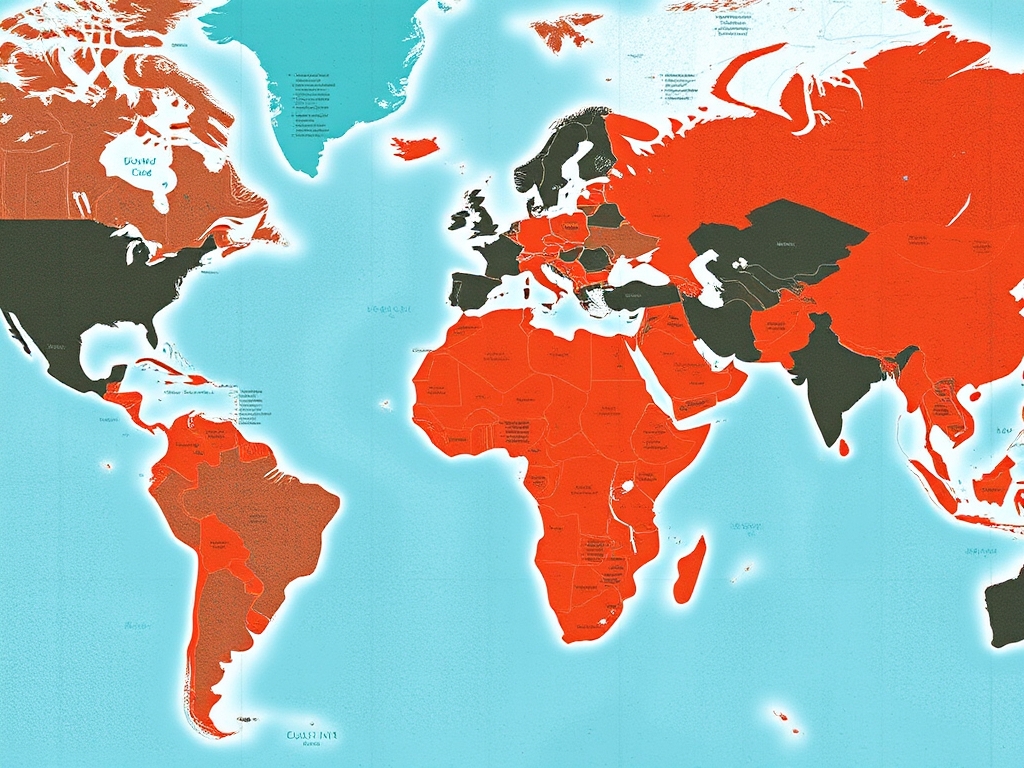
The Global Landscape of Advocacy: Understanding Its Reach and Impact
Introduction: Navigating the Global Pulse of Advocacy
Have you ever wondered how a single voice can ripple across the globe to create monumental change? Advocacy is the heartbeat of social progress, serving as the primary vehicle for individuals and organizations to champion causes that transcend borders. In today’s interconnected world, global advocacy has evolved from simple local protests to sophisticated international campaigns that leverage technology and diplomacy. Understanding the reach of these efforts is crucial for anyone looking to make a meaningful impact on the world stage. Essentially, advocacy involves the strategic use of information and influence to affect decision-making processes within political, economic, and social systems. Whether it is fighting for climate justice or advocating for global health equity, the core mission remains the same: creating a more just and equitable world for everyone. 🌍 It is a multifaceted discipline that requires a deep understanding of cultural nuances and legal frameworks across different jurisdictions. When we talk about reach, we are looking at how far-reaching a message can travel and how many lives it can potentially touch. The impact, on the other hand, is measured by the tangible changes in policy, public opinion, and lived experiences. To truly grasp the global landscape, we must first acknowledge the diverse actors involved, from grassroots activists to high-level international NGOs. These entities work tirelessly to ensure that the voices of the marginalized are heard in the halls of power. Building a sustainable future requires us all to become more informed about these global movements and the mechanics behind them. This blog post will guide you through the complexities of international influence and the strategies that lead to successful outcomes. So, grab a coffee, and let’s dive deep into the fascinating world of global advocacy and its far-reaching consequences.
The Expanding Reach of Modern Movements
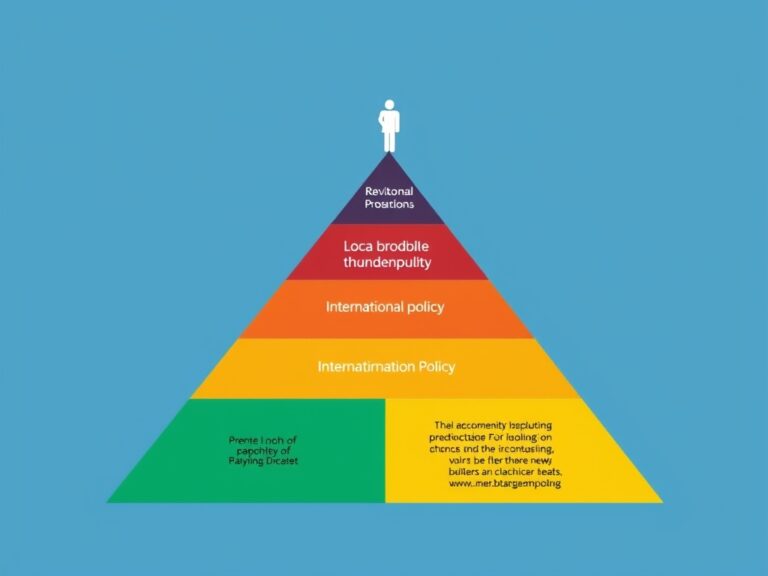
The reach of global advocacy is truly staggering, encompassing a wide array of strategies that cater to different regional needs and political environments. 📍 For instance, grassroots advocacy focuses on mobilizing community members to take action from the bottom up, creating a foundation of support that is hard for leaders to ignore. Conversely, top-down advocacy involves lobbying international bodies like the United Nations or the World Bank to implement systemic reforms at a global level. The synergy between these two approaches is what often leads to the most successful outcomes in the international arena. Consider how global health initiatives utilize both local health workers and international funding to combat diseases like malaria or polio. The diversity of tactics used includes everything from public awareness campaigns to legal challenges in international courts. Key components of a broad reach include:
- Multilingual communication strategies to bridge linguistic divides
- Cross-border partnerships that leverage shared resources
- Digital platforms that allow for instantaneous global mobilization
. By diversifying the reach, advocates can ensure that their message is not confined to a single geographic area but resonates globally. This global connectivity allows for the sharing of best practices and successful models that can be adapted to various contexts. 🌏 The reach is also extended through the use of influential figures and celebrities who can bring mainstream attention to niche issues. However, achieving such a wide reach requires careful planning and a deep understanding of the global media landscape. It is about more than just being loud; it is about being heard by the right people at the right time. This brings us to the critical role of data and research in validating the reach of these initiatives. As we explore further, you will see how strategic reach directly correlates with the overall impact of an advocacy campaign.
Harnessing Technology for Maximum Impact
In the modern era, the digital revolution has completely transformed the impact and efficiency of global advocacy campaigns. 💻 Digital tools have democratized the ability to advocate, allowing anyone with an internet connection to start a movement or sign a petition. Social media platforms like Twitter, LinkedIn, and Instagram have become the new frontlines for social change and public discourse. These platforms allow for the rapid dissemination of information, making it possible to respond to global crises in real-time. For example, hashtags can trend globally in minutes, bringing immediate international pressure to local issues that might have otherwise gone unnoticed. But the impact of digital advocacy goes far beyond just ‘slacktivism’ or online likes; it leads to real-world policy shifts and financial support. Data analytics play a pivotal role here, as they allow advocates to track engagement and target their messages with precision. By understanding who is interacting with their content, organizations can refine their strategies to maximize their influence. 📊 Here are some ways digital tools enhance impact:
- Automated email campaigns to target legislators directly
- Crowdfunding platforms for immediate financial mobilization
- Online forums for organizing and strategy development
. This technological edge provides a level of scalability that was previously unimaginable for small-scale advocacy groups. It bridges the gap between different time zones and cultures, fostering a sense of global solidarity among activists. However, with this power comes the responsibility to combat misinformation and ensure data privacy for vulnerable populations. The digital landscape is constantly shifting, requiring advocates to stay agile and tech-savvy to maintain their impact. Ultimately, the integration of technology into advocacy has made it a more powerful force for global good than ever before.
Quantifying Success: Metrics of Global Change
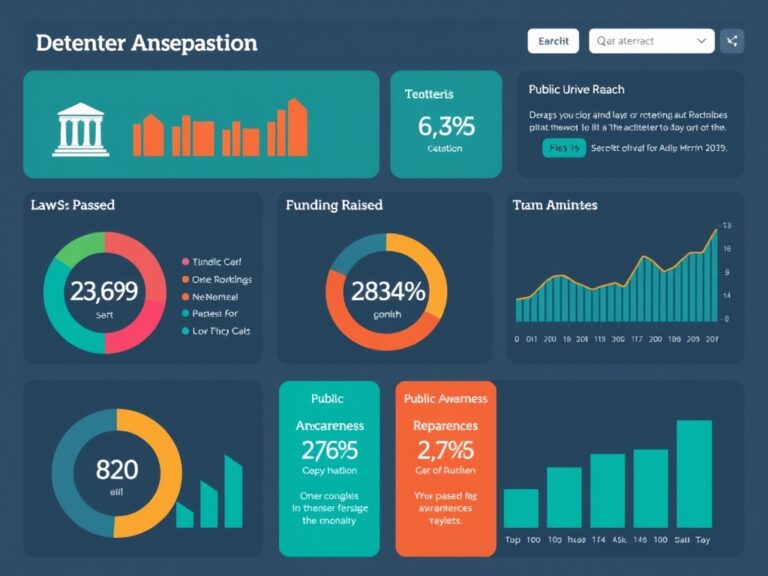
Transitioning from the tools of the trade, we must look at how we measure the actual success and impact of these global advocacy efforts. Measuring impact is not always about simple numbers; it often involves tracking long-term shifts in cultural attitudes and policy frameworks. 📈 Expert advocates look for specific key performance indicators (KPIs) to determine if their strategy is yielding the desired results. These KPIs can include the number of policy changes enacted, the amount of funding secured for a cause, or the growth in public support over time. It is also vital to monitor the legislative environment to see if advocacy efforts have influenced the drafting of new laws or the repeal of harmful ones. Success is often a slow burn, requiring years of persistent effort and consistent messaging to achieve a breakthrough. Impact can be categorized into several different layers:
- Direct Impact: Immediate policy or legal changes
- Indirect Impact: Shifts in public perception or media coverage
- Systemic Impact: Long-term changes in institutional behavior
. Qualitative data, such as testimonials from those affected by the advocacy, provides a human face to these statistical achievements. 🗣️ Engaging with stakeholders and receiving feedback is an essential part of evaluating whether an advocacy campaign has truly hit its mark. We must also be honest about failures, as analyzing what didn’t work is just as important as celebrating what did. This analytical approach ensures that resources are used efficiently and that the movement remains focused on its core objectives. Measuring the impact also helps in securing continued support from donors and the public, as it demonstrates tangible progress. In the complex landscape of global advocacy, having a clear roadmap for measurement is what separates successful campaigns from those that fade away. Understanding these metrics allows us to appreciate the true power and potential of global advocacy to change the world.
Navigating Challenges and the Road Ahead
Despite the incredible progress made, global advocacy still faces significant challenges that require innovative solutions and unwavering resilience. ⚠️ Political instability, censorship, and systemic barriers can often hinder the reach of even the most well-funded advocacy campaigns. Navigating the diverse legal landscapes of different countries poses a constant hurdle for international organizations seeking to operate across borders. Furthermore, the ‘digital divide’ remains a major issue, as millions of people still lack the reliable internet access needed to participate in digital movements. 💰 Funding is another perennial challenge, with many grassroots organizations struggling to secure the long-term resources they need to thrive. However, the future of global advocacy looks bright, thanks to a new generation of leaders who are more connected and informed than ever. Youth-led movements are currently at the forefront of global change, bringing fresh perspectives and a sense of urgency to critical issues. We are also seeing a shift toward more intersectional advocacy, which recognizes that various social issues are deeply interconnected and cannot be solved in isolation. Future trends to watch include:
- The rise of decentralized advocacy through blockchain technology
- Greater emphasis on corporate social responsibility and ESG metrics
- Enhanced global cooperation on environmental sustainability
. 🌟 It is an exciting time to be involved in this field, as new tools and strategies are constantly emerging to meet the challenges of the 21st century. By staying informed and engaged, you can play a part in shaping the global landscape of advocacy yourself. Remember that every great movement started with a single conversation and a shared vision for a better future. Let’s continue to support and elevate the voices that are working to make a positive impact on our world every single day. The journey of global advocacy is far from over, but together, we can ensure its reach and impact continue to grow for generations to come.