
The World of Advocacy: Shaping Policy, Empowering Communities
The Essence of Advocacy: Finding Your Voice Welcome to the transformative world of advocacy, a space where individual voices unite to create ripples of meaningful change across the globe. You might wonder what it truly means to be an advocate, and at its core, it is the act of supporting a cause or proposal to influence decisions within political, economic, and social systems. Advocacy is not just for professionals in suits; it is a powerful tool for community empowerment that allows everyday citizens to stand up for what they believe in. By understanding the nuances of how advocacy works, you can become a catalyst for social change in your own neighborhood or on a national stage. In this guide, we will explore the mechanisms that drive these movements and how you can participate effectively in the democratic process. Advocacy serves as the essential bridge between current reality and a more equitable future for everyone involved in civil society. This conversation is about your power to shape the future through persistent and strategic effort. Whether it is fighting for environmental protections or better local schools, the journey begins with a single step toward engagement. Advocacy often involves several key components that help define its success and reach. We must remember that every major movement in history started with a small group of people who decided to speak up. Educating the public about critical issues is the first pillar of any successful campaign. Gathering people to take collective action follows as the secondary phase of mobilization. Finally, convincing decision-makers to adopt specific policies represents the ultimate goal of persuasion. 🌟 Let’s dive deep into how these structures work together to build a more robust and responsive society for all. Your voice is the most important tool you have, so learning how to use it effectively is a life-changing skill.
- Awareness: Educating the public about critical issues.
- Mobilization: Gathering people to take collective action.
- Persuasion: Convincing decision-makers to adopt policies.

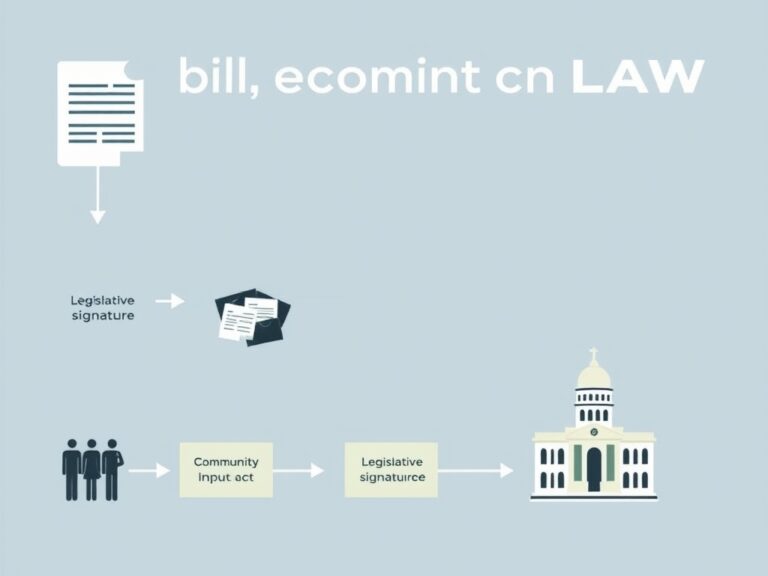
The Mechanics of Policy Making: Influencing the System When we talk about shaping policy, we are looking at the intricate dance between public demand and legislative influence. 🏛️ Policy advocacy is a strategic process where organizations and individuals work to change laws, regulations, or government programs to better serve the public interest. It requires a deep understanding of the political landscape and the ability to navigate complex bureaucratic channels without losing sight of the goal. Successful policy change usually happens when advocates present well-researched evidence alongside compelling human stories that resonate with lawmakers. You see, data might provide the logic for a change, but emotional storytelling provides the actual motivation for that change to occur. This process involves identifying key stakeholders, such as members of Congress or local council members, and building relationships with them over time. It is not an overnight success story, but rather a long-term commitment to civil society and the democratic process. By staying persistent, advocates ensure that the voices of the marginalized are heard where it matters most—in the halls of power. It is about ensuring that public awareness translates into concrete legal frameworks that protect and serve the community. Every major law that has improved our lives started as a small seed of advocacy planted by someone just like you. Reviewing existing laws to find gaps or issues is often the first technical step in this journey. Directly communicating with officials to influence their votes is known as lobbying, and it is a perfectly valid part of advocacy. Sharing expert or personal views during official hearings provides a platform for direct public testimony. These actions collectively pressure the system to evolve and adapt to the modern needs of the citizenry. Understanding this framework allows you to target your efforts toward the most effective channels for systemic change.
- Policy Analysis: Reviewing existing laws to find gaps or issues.
- Lobbying: Directly communicating with officials to influence their votes.
- Public Testimony: Sharing expert or personal views during official hearings.
Grassroots Power: Building Community Resilience At the heart of every successful movement lies community empowerment, which is the process of helping individuals gain the confidence and resources to take control of their lives. 🤝 This is often achieved through grassroots movements, where change starts from the bottom up rather than being imposed from the top down. When communities are empowered, they no longer wait for others to solve their problems; they organize, strategize, and implement their own solutions. This sense of collective agency is vital for creating sustainable social change because it ensures that those most affected by an issue are leading the charge. You might find that local advocacy groups focus on immediate needs, like food security or housing rights, providing a direct impact on the quality of life. Empowered communities are more resilient and better equipped to handle challenges because they have built strong networks of support. The beauty of grassroots work is that it turns passion into action, fostering a culture of participation that strengthens the fabric of our society. It proves that you don’t need a massive budget to make a massive difference; you just need a dedicated group of people with a shared vision. When you empower a community, you are investing in a future where everyone has a seat at the table and a stake in the outcome. Training local leaders to manage organizations is a crucial part of what we call capacity building. Creating pools of knowledge and funding within the community ensures that the movement remains self-sufficient and independent. Encouraging citizens to run for local office or join boards helps integrate community needs into official governance structures. This localized approach ensures that the solutions developed are culturally relevant and practically applicable to the specific area. Every small victory at the community level builds the momentum needed for larger regional or national changes. Empowerment is not something that is given; it is something that is cultivated through education, support, and shared goals.
- Capacity Building: Training local leaders to manage organizations.
- Resource Sharing: Creating pools of knowledge and funding within the community.
- Local Governance: Encouraging citizens to run for local office or join boards.
The Digital Frontier: Advocacy in the Modern Age In our modern era, digital advocacy has revolutionized how we communicate and mobilize for a cause. 📱 With the click of a button, you can now reach thousands of people, making public awareness campaigns more accessible than ever before. Social media platforms like Twitter, Instagram, and LinkedIn have become virtual town squares where ideas are debated and movements are born. However, digital advocacy is more than just posting a hashtag; it involves strategic online engagement that drives people to take offline action. For example, an online petition can gather millions of signatures to pressure a corporation, but it must be followed by direct communication or boycotts to be truly effective. Modern advocates use data analytics to target their messages to the right audience, ensuring that their message resonates with those most likely to help. This technological shift has lowered the barrier to entry for many people who previously felt excluded from the political process. It allows for real-time updates and rapid responses to changing situations, which is crucial in a fast-paced news cycle. Yet, even with these high-tech tools, the core principles of advocacy remain the same: clear communication, strong values, and a commitment to the truth. Using viral content to spread a message quickly is a hallmark of successful social media campaigns today. Sending direct requests to supporters to contact their representatives via email action alerts remains a highly effective tactic. Hosting online discussions to educate and organize followers through virtual town halls builds a sense of community across geographic boundaries. By blending traditional methods with new technologies, we can amplify our voices to a volume that can no longer be ignored by those in power. We must also be mindful of digital safety and the accuracy of the information we share to maintain the integrity of our cause. Ultimately, the internet is a tool that, when used wisely, can accelerate the pace of social justice and equity worldwide.
- Social Media Campaigns: Using viral content to spread a message quickly.
- Email Action Alerts: Sending direct requests to supporters to contact their representatives.
- Virtual Town Halls: Hosting online discussions to educate and organize followers.

Overcoming Hurdles: The Path to Sustainable Change While the path of an advocate is rewarding, it is often fraught with challenges that require resilience and strategy to overcome. 🛡️ You might face opposition from powerful interests, bureaucratic red tape, or even public apathy, which can make the work feel overwhelming at times. It is important to remember that sustainable change is a marathon, not a sprint, and pacing yourself is key to avoiding burnout. One of the best ways to overcome these hurdles is through coalition building, where different organizations join forces to share the burden and increase their collective impact. By working together, advocates can pool their resources, expertise, and networks to create a much stronger front against any obstacle. It is also vital to maintain a high level of expert-level insights by staying updated on the latest research and trends in your specific field of interest. Setting clear, measurable goals for your advocacy efforts is part of a robust strategic planning process that ensures you stay on track. Prioritizing mental and physical health to sustain long-term work is a form of self-care that is essential for every committed advocate. Building a diverse group of allies who support your mission through networking can open doors that were previously closed to you. The world needs more people who are willing to stand up and speak out for justice and equity in every facet of life. Your journey into the world of advocacy might start small, but its impact can grow to be truly transformative for yourself and your entire community. Never underestimate the power of a dedicated individual who refuses to give up on their vision for a better and more just world. Together, we can shape policy, empower communities, and create a legacy of positive change that lasts for many generations to come. As you move forward, keep your eyes on the goal and your heart open to the stories of those you are fighting for. Advocacy is the ultimate expression of hope in action, and you have everything you need to start making a difference today.
- Strategic Planning: Setting clear, measurable goals for your advocacy efforts.
- Self-Care: Prioritizing mental and physical health to sustain long-term work.
- Networking: Building a diverse group of allies who support your mission.