
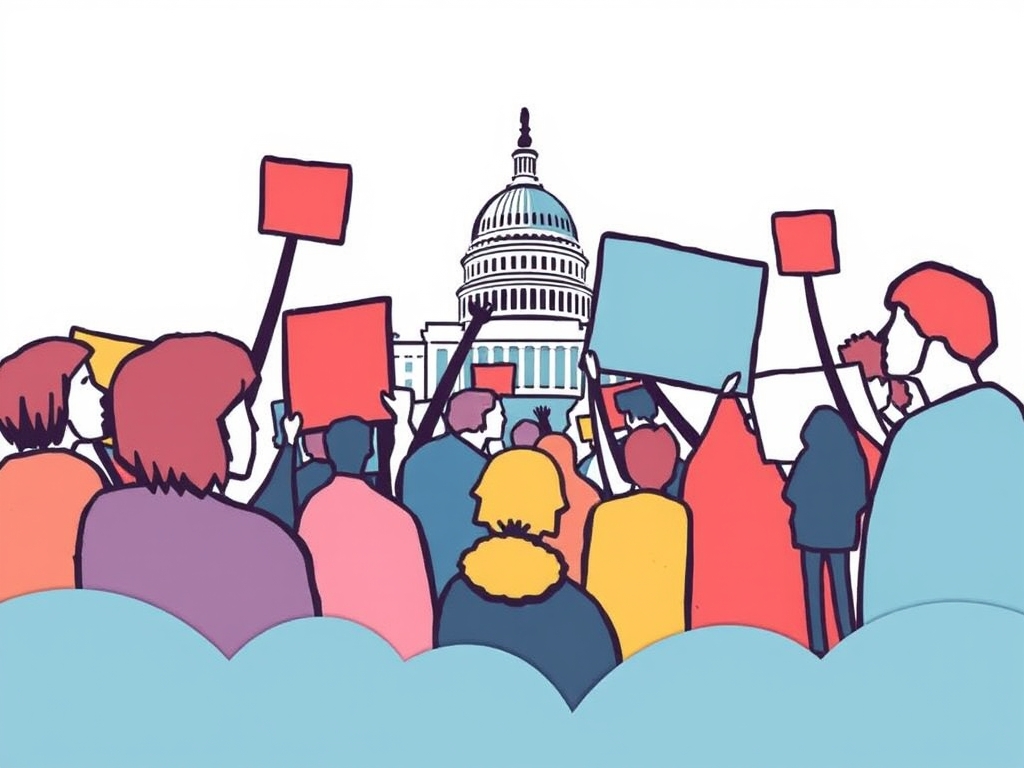
Empowering Change: How Advocacy Reshapes Modern Politics and Society
Every landmark piece of legislation, every major cultural shift, and every expansion of human rights throughout history began not in the halls of power, but in the hearts of advocates. From the suffragettes fighting for the ballot to the digital activists of the 21st century demanding climate action, advocacy is the lifeblood of a functioning democracy. But what exactly makes advocacy so potent? In an era where “slacktivism” is often criticized, the real-world influence of organized advocacy remains one of the most powerful tools for societal evolution. This article explores the intricate mechanisms through which advocacy transforms political landscapes and reshapes the social fabric of our communities.
The Architecture of Advocacy: Defining the Engine of Progress
At its core, advocacy is the act of speaking out, supporting, or recommending a particular cause or policy. It is often confused with lobbying, but advocacy is a much broader umbrella. While lobbying specifically targets legislators to influence specific bills, advocacy encompasses public education, grassroots organizing, litigation, and community mobilization. It is the bridge between a grievance and a solution.
In the modern context, advocacy operates through three primary channels:
- Grassroots Advocacy: Mobilizing the general public to contact their representatives or take collective action. This is “bottom-up” power.
- Systemic Advocacy: Focusing on changing the “system” itself—laws, regulations, and institutional policies that perpetuate inequality or inefficiency.
- Individual Advocacy: Supporting individuals in navigating complex systems, such as healthcare or legal aid, which often highlights broader systemic failures that need addressing.
The Political Powerhouse: How Advocacy Shapes Legislation
Politics is often perceived as a game played by elites, but advocacy provides the necessary friction that keeps the political machine accountable. The influence of advocacy on politics is not just about changing votes; it’s about setting the agenda. Political scientists often refer to the “Overton Window”—the range of policies acceptable to the mainstream population at any given time. Advocacy’s primary role is to shift this window.
From the Streets to the Senate
History is replete with examples where external pressure forced legislative hands. Consider the Civil Rights Movement of the 1960s. It wasn’t merely a series of protests; it was a sophisticated advocacy campaign that utilized economic boycotts, legal challenges (via the NAACP), and media strategy to make the status quo politically untenable for President Lyndon B. Johnson and Congress. This pressure culminated in the Civil Rights Act of 1964 and the Voting Rights Act of 1965.
The Role of Lobbying and Interest Groups
While “lobbying” can have a negative connotation, it is a vital part of the advocacy ecosystem. Environmental groups, patient advocacy organizations, and labor unions use specialized knowledge to brief lawmakers on the nuances of complex issues. Without this flow of information, policy is often written in a vacuum. Effective advocacy ensures that the lived experiences of citizens are translated into the technical language of law.
Shifting the Cultural Needle: Advocacy’s Impact on Society
While political change is measurable through laws, societal change is measured through norms and perceptions. Advocacy is the primary driver of cultural evolution. It challenges “the way things have always been” and introduces new narratives into the public consciousness.
Normalizing the Marginalized
One of the most profound impacts of advocacy is the destigmatization of marginalized groups. The LGBTQ+ rights movement didn’t just win the right to marry; it fundamentally changed how society views gender and identity. Through decades of visibility campaigns, storytelling, and community building, advocates moved these issues from the fringes to the center of social discourse. Today, diversity and inclusion are not just “nice to have” but are core values for major corporations and educational institutions—a direct result of persistent advocacy.
Environmental Stewardship and the Global Shift
Advocacy has also transformed how we view our relationship with the planet. Forty years ago, “recycling” was a niche activity. Today, due to the advocacy of environmental organizations and figures like Greta Thunberg, the climate crisis is a central pillar of global diplomacy. Advocacy has successfully reframed environmental protection from an “anti-business” stance to a “pro-survival” necessity, influencing everything from consumer habits to international treaties like the Paris Agreement.
The Digital Revolution: Advocacy in the Age of Social Media
The 21st century has introduced a paradigm shift in how advocacy is conducted. The barrier to entry has never been lower, but the noise has never been louder. Digital advocacy has democratized the ability to spark a movement, allowing a single tweet or video to reach millions in hours.
Viral Activism: Pros and Cons
The #MeToo movement is perhaps the most striking example of digital advocacy’s power. It began as a hashtag but transformed into a global reckoning with sexual harassment and power dynamics. Digital tools allow for rapid mobilization and the collection of vast amounts of data to support a cause. However, the challenge of “clicktivism” remains: it is easy to “like” a post, but much harder to sustain the long-term pressure required for policy change. Effective modern advocates use social media as a “top of the funnel” tool to recruit supporters into more substantive, long-term actions.
Data-Driven Decision Making
Modern advocates now use sophisticated data analytics to target their messages. By understanding voter demographics and sentiment analysis, advocacy groups can tailor their campaigns to be more persuasive. This “precision advocacy” allows smaller organizations to punch far above their weight class by focusing their limited resources where they will have the most impact.
Building a Movement: Key Strategies for Effective Advocacy
If you are looking to empower change, understanding the strategy behind successful advocacy is essential. It is not enough to be right; you must be strategic. Here are the pillars of a successful advocacy campaign:
- Coalition Building: Strength lies in numbers. By partnering with organizations that have overlapping interests, advocates can pool resources and present a united front to decision-makers.
- The Power of Narrative: People respond to stories, not just statistics. Effective advocacy puts a human face on the issue. Instead of just talking about poverty rates, show the story of a family struggling to pay rent.
- Clear Calls to Action: Vague goals lead to vague results. Successful advocates tell their followers exactly what to do—whether it’s signing a specific petition, attending a town hall, or boycotting a specific brand.
- Persistent Follow-up: Change rarely happens overnight. The most successful advocates are those who stay at the table long after the cameras have left, working through the “boring” details of policy implementation.
Challenges and Critiques: Navigating the Complexities of Change
Advocacy is not without its pitfalls. One of the primary criticisms is the polarization it can cause. When advocacy groups take hardline stances, it can lead to political gridlock where compromise becomes impossible. Furthermore, there is the issue of “Astroturfing”—where corporate interests create fake “grassroots” movements to manipulate public opinion.
There is also the challenge of representation. Who gets to speak for a community? Often, the loudest voices in advocacy belong to those with the most resources, which can further marginalize those who are already unheard. Ethical advocacy requires a commitment to “lifting as we climb,” ensuring that the most affected individuals are at the center of the movement.
Conclusion: The Future of Empowerment
Advocacy is the heartbeat of a thriving society. It is the mechanism that allows for peaceful revolution and incremental progress. In a world that often feels overwhelmed by complex global challenges, it is easy to feel powerless. However, the history of advocacy proves that organized, passionate individuals are the only thing that has ever changed the world.
As we look toward the future, the integration of technology, data, and traditional community organizing will create new opportunities for advocacy. The question is no longer whether you can make a difference, but how you will choose to use your voice. Whether it’s through supporting a local non-profit, engaging in civil discourse, or running for office yourself, the power to empower change lies in your hands. Start where you are, use what you have, and do what you can.
Call to Action
Are you ready to become an advocate for change? Start by identifying one issue in your local community that needs attention. Research the organizations already working on it, and reach out to see how you can contribute your skills. Remember, the most powerful movements are built one conversation at a time.